THE DETAILS EQUIPMENT
Sell switchgear in Michigan. Review warehouse clearance considerations, documentation, cash offers and freight coordination.
Understanding the asset
An owner considering selling switchgear in Michigan can start with a description of the actual assets and the proposed release. The equipment may be installed, in storage or part of a mixed lot. The buyer reviews what is offered rather than assuming that similarly named items are alike.
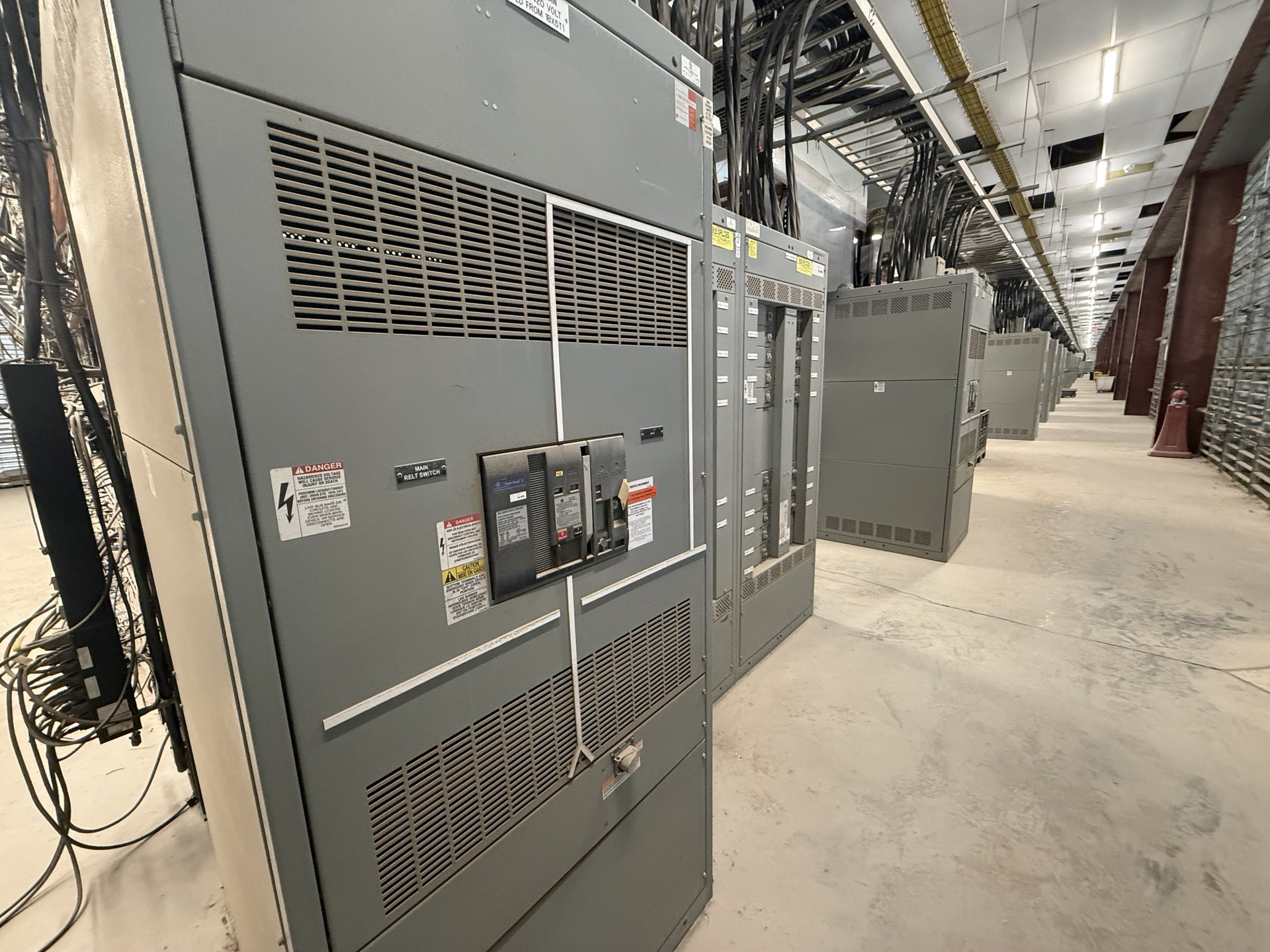
Switchgear is an assembly used to control, protect and isolate parts of an electrical system. A proposed sale might cover a connected lineup, individual sections, or equipment already in storage; those are different descriptions. An existing or safely accessible exterior photo can help establish what is included without suggesting that its operating condition is known.
The situation behind the sale
Warehouse inventory may be boxed, loose, stored in more than one area or missing some paperwork. Describe the group using existing records where possible, and say when a count is approximate. There is no need for the seller to unpack, move or test the items to begin a discussion.
The boundary of the proposed sale is worth settling early. An owner may want to keep some devices, records or accessories while offering the main assembly. Sharing that distinction helps the buyer review the right assets and avoids assuming that everything in the same room belongs to the lot.
Details that identify the lot
For a switchgear lineup, existing records may show the manufacturer, voltage, current rating, number of sections and major devices. Note whether loose breakers, control components and documentation belong with the lineup. Separate items can be identified separately; do not assume that equipment sitting nearby is included in the sale.
An owner may have an old schedule, purchase record or drawing that identifies the equipment. Those materials can be useful context, although the buyer must review what is actually included in the proposed sale. Where a document and the known inventory differ, note the discrepancy rather than assuming either is complete.
Condition and purchase review
A box labeled as a spare may have spent years in storage, and an installed unit may have an incomplete service history. Neither example proves an operating condition. Share what is already known about use, storage or visible damage so the buyer can evaluate the uncertainty as part of the offer review.
Two lots with the same equipment type can present different purchase considerations because their contents and site conditions differ. The buyer reviews known condition, documentation, quantity and the practical removal requirements. An offer is subject to that review, and the owner chooses whether to accept the terms proposed.
What the buyer handles
The buyer considers equipment of all voltage classes, including switchgear at decommissioned data centers and shut-down power plants. Once a purchase is agreed, the buyer’s qualified personnel handle the required disconnects, removal, crane and rigging work, loading and hauling. Freight is covered by the buyer; the seller does no testing or physical work.
A photo is optional and should only be taken from a safe, authorized location. Do not manipulate devices or remove covers for a better view. The buyer’s qualified personnel handle necessary disconnects and removal, working with the authorized site contact and the applicable site procedures.
Planning access and freight
Equipment can be in a lower-level room, an outdoor enclosure or storage, and each situation can have different access considerations. If known, describe the location and any site limits. The buyer plans necessary crane work, rigging, loading, hauling and freight using qualified personnel; the seller does not move the assets.
If site rules or another contractor’s schedule affect access, mention them during the discussion. The buyer coordinates its qualified personnel with the authorized site representative and handles the removal work. The seller is not required to hire a crew, package equipment or book a carrier.
From inquiry to payment
The seller can request a cash offer with the information already available. The buyer reviews the assets and transaction details, and not every item is necessarily accepted. If a purchase is agreed, payment is upfront; the buyer handles the physical work and covers freight.
There is no need to assemble a perfect inventory before asking. Describe the proposed assets, identify an authorized contact and mention any known deadline. The buyer reviews the available facts; following an agreed purchase, payment is upfront and qualified buyer personnel do the physical work.