THE DETAILS EQUIPMENT
Sell switchgear in Michigan. Review cash offer process considerations, documentation, cash offers and freight coordination.
Understanding the asset
An owner considering selling switchgear in Michigan can start with a description of the actual assets and the proposed release. The equipment may be installed, in storage or part of a mixed lot. The buyer reviews what is offered rather than assuming that similarly named items are alike.
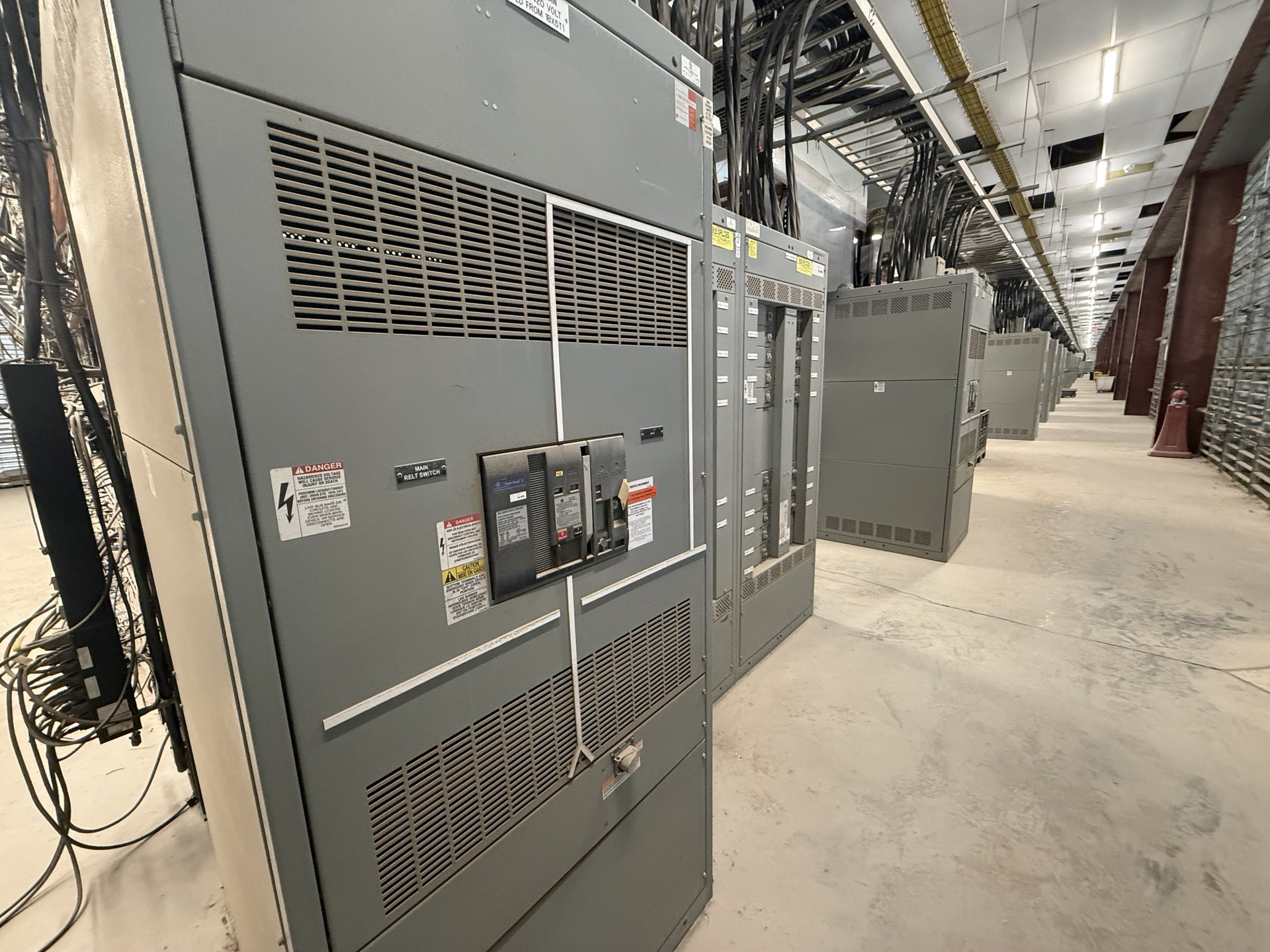
Switchgear is an assembly used to control, protect and isolate parts of an electrical system. A proposed sale might cover a connected lineup, individual sections, or equipment already in storage; those are different descriptions. An existing or safely accessible exterior photo can help establish what is included without suggesting that its operating condition is known.
The situation behind the sale
An inquiry begins with the available description, not with a seller-funded test. The buyer reviews the equipment and relevant site details, then may make a cash offer. If the parties agree on a purchase, payment is upfront, and the buyer arranges the physical work and covered freight.
An owner may prefer one transaction or may have assets released at separate times. Describe the intended group and any dates already established; the buyer can discuss the practical scope during review. No particular offer, schedule or purchase of every asset is assumed just because an inquiry has been made.
Details that identify the lot
For a switchgear lineup, existing records may show the manufacturer, voltage, current rating, number of sections and major devices. Note whether loose breakers, control components and documentation belong with the lineup. Separate items can be identified separately; do not assume that equipment sitting nearby is included in the sale.
Existing asset lists, project documents and exterior photographs can help identify what the owner intends to sell. Useful details may include manufacturer, model, ratings, quantities and the general location of each group. Share only what is already known or safely accessible; an incomplete list is a reasonable starting point for a conversation.
Condition and purchase review
Condition and completeness are separate questions. An assembly might include all known sections while its operating state is unknown, or it might be missing components despite a documented history. Report the distinction if it is known; no testing, energizing or troubleshooting is needed for an inquiry.
Two lots with the same equipment type can present different purchase considerations because their contents and site conditions differ. The buyer reviews known condition, documentation, quantity and the practical removal requirements. An offer is subject to that review, and the owner chooses whether to accept the terms proposed.
What the buyer handles
Our review can cover all voltage classes; our buying scope includes switchgear from decommissioned data centers and shut-down power plants. For a purchase both parties agree to, qualified buyer personnel handle necessary disconnects, removal, crane and rigging work, loading and hauling. Freight is covered, with no testing or physical work by the seller.
A seller does not have to prepare equipment electrically or demonstrate that it works. Avoid operating devices, opening covers or entering unsafe areas for photographs. The buyer’s qualified personnel handle the necessary disconnects and removal, coordinating access and the work with the authorized site representative.
Planning access and freight
Collection can require planning around site access, doorways, work areas or the timing of a property handover. Share any existing information about those constraints so the buyer can review them with the assets. The buyer handles the physical logistics, including qualified labor, loading and transport; the seller need not stage the equipment.
Where assets are released in stages, the owner can describe the planned windows if known. The buyer reviews the schedule and coordinates the necessary work; there is no promise of an immediate visit or a particular collection date before agreement. The seller does not handle the freight.
From inquiry to payment
The process is straightforward: share the available description, let the buyer review the equipment and site details, and consider any cash offer made. Offers are subject to review and the parties’ agreement; not every item is necessarily purchased. For an accepted purchase, payment is upfront, and the buyer covers freight.
If you have an existing list or a few safely accessible exterior photos, those can accompany the inquiry; a short description also works. Include any known deadline and identify who can authorize the sale. The seller does no testing or physical work, and the buyer plans the agreed collection after upfront payment.