THE DETAILS EQUIPMENT
Sell unit substation in Michigan. Review facility decommissioning considerations, documentation, cash offers and freight coordination.
Understanding the asset
An owner considering selling unit substations in Michigan can start with a description of the actual assets and the proposed release. The equipment may be installed, in storage or part of a mixed lot. The buyer reviews what is offered rather than assuming that similarly named items are alike.
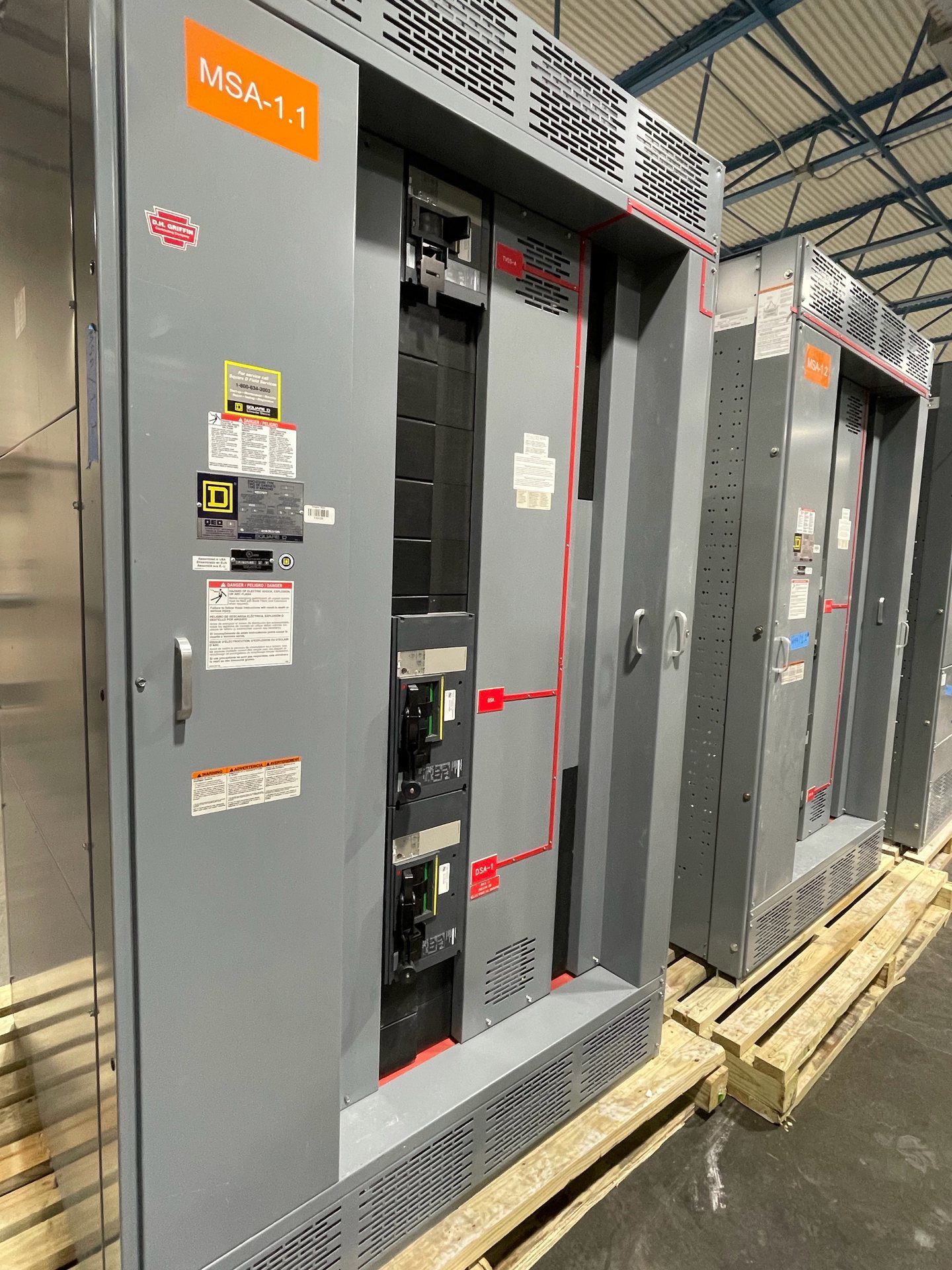
A unit substation generally combines a transformer with associated distribution or switching equipment in an arrangement that serves a facility. Individual assemblies vary, so the owner should describe which sections are included. The transformer and associated gear may be offered together or as distinct assets, depending on the owner’s intended sale.
The situation behind the sale
During a decommissioning project, an asset list can identify what is being sold, who has authority to release it and when the site will be accessible. The buyer handles required disconnects, removal, rigging and transport through qualified personnel, while coordinating the work with the owner’s site requirements.
Equipment can become surplus for many reasons, including a change in operations, a replacement project or a decision to clear storage. The reason helps explain when it may be released, but it does not establish condition. The buyer reviews the actual assets and their availability rather than assuming a project is complete.
Details that identify the lot
Existing records can help identify the transformer, primary and secondary equipment, manufacturer markings and approximate dimensions. Note whether any sections or accessories are absent and whether the unit remains in place. If fluid or other special handling information is already known, share it for review without opening or examining the equipment.
Records do not need to be perfect to start an inquiry. An existing equipment list, a broad description and any safely accessible exterior photos can establish the scope. Note whether the offer concerns a complete assembly, a partial lineup or individual pieces, and avoid attributing an unverified rating to the whole group.
Condition and purchase review
Age, storage and previous use are useful context, but they do not by themselves determine whether equipment works or what it is worth. Share known condition and any gaps in the record. The buyer evaluates the actual assets; a seller is not expected to certify a technical condition.
The scope of the sale influences the review: a complete lineup, a few sections and loose devices are not necessarily the same proposition. So do known condition, site access and the timing of release. The buyer can make a cash offer following review, but there is no promise to purchase every asset.
What the buyer handles
We buy electrical distribution equipment of all voltage classes, and we buy switchgear from decommissioned data centers and shut-down power plants. For an agreed purchase, our qualified personnel handle necessary disconnects, removal, crane work, rigging, loading and hauling. The buyer covers freight, and the seller does no testing or physical work.
If the status of an assembly is uncertain, do not assume it is safe to approach or operate. A record or safely accessible exterior photo may be shared without opening it. For an agreed purchase, qualified buyer personnel coordinate the necessary disconnects and removal with the site.
Planning access and freight
A useful handover discussion covers where the assets are, who can grant access and when they can be released. Existing dimensions and known obstacles can also inform the plan. The buyer handles any required crane work, rigging, loading and hauling rather than assigning those jobs to the seller.
Different pieces may be available at different times. A known sequence or release window can be discussed before the purchase is agreed, even if some details remain unsettled. Qualified buyer personnel handle the actual physical work; the seller is not asked to stage or ship the equipment.
From inquiry to payment
The seller can request a cash offer with the information already available. The buyer reviews the assets and transaction details, and not every item is necessarily accepted. If a purchase is agreed, payment is upfront; the buyer handles the physical work and covers freight.
A useful first message need not be polished: identify the general equipment, where it is and whether it is still installed, if known. Mention any release date already established. The buyer can review missing details without requiring the seller to test the equipment, arrange labor or organize freight.