THE DETAILS INDUSTRIES
Explore selling surplus electrical distribution equipment from hospital and campus projects in Michigan, including offer and freight planning.
The project and the assets
Owners can request a purchase review for surplus hospital or campus electrical equipment in Michigan, including assets still in place. The equipment offered, its ownership and the release schedule matter more than a project label alone. The examples below illustrate how an equipment sale might fit into a larger project.
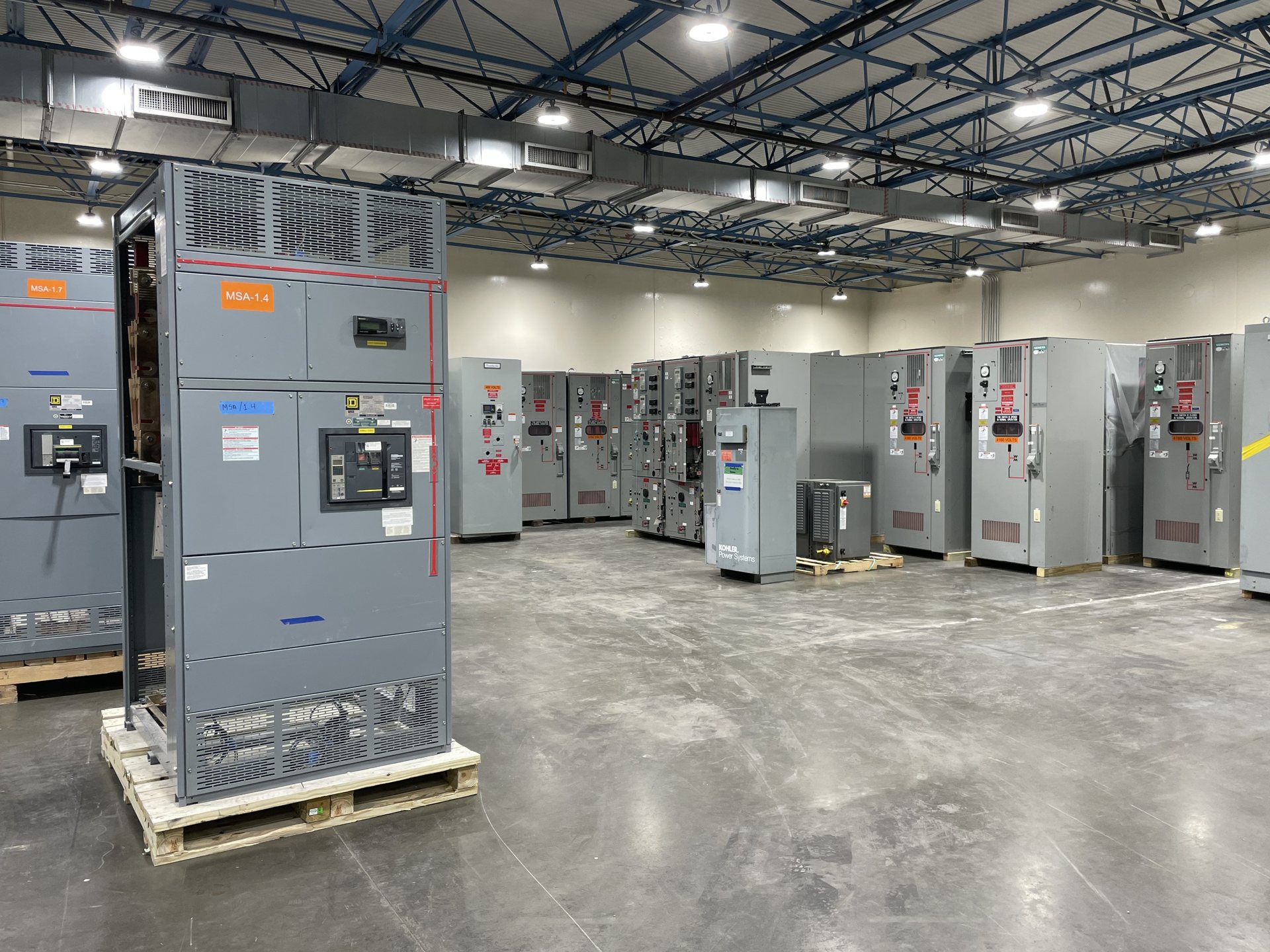
A hypothetical hospital or campus upgrade can release distribution assets in phases while other equipment remains needed. An existing project list may show which assemblies are actually surplus and when they can be handed over. The buyer reviews those assets, not an assumed inventory for the entire property.
Planning the release
For a mixed lot, explain whether equipment in different rooms or project phases is intended to be sold together. A count or existing inventory helps define the proposed boundary. The buyer can discuss the group and any separate assets, subject to review; an offer for every item is not automatic.
An owner may prefer one transaction or may have assets released at separate times. Describe the intended group and any dates already established; the buyer can discuss the practical scope during review. No particular offer, schedule or purchase of every asset is assumed just because an inquiry has been made.
Condition and offer review
A box labeled as a spare may have spent years in storage, and an installed unit may have an incomplete service history. Neither example proves an operating condition. Share what is already known about use, storage or visible damage so the buyer can evaluate the uncertainty as part of the offer review.
Two lots with the same equipment type can present different purchase considerations because their contents and site conditions differ. The buyer reviews known condition, documentation, quantity and the practical removal requirements. An offer is subject to that review, and the owner chooses whether to accept the terms proposed.
Site and inventory considerations
Continuity constraints and access rules should be discussed with the authorized site representative. The buyer uses qualified personnel for the agreed disconnects and removal, coordinated with the site. A purchase inquiry does not promise uninterrupted power, a particular cutover result or collection on a date that has not been agreed.
Records gathered for ordinary asset management may be enough for an initial review. A description of the type, count and location, plus any known model or rating, helps define the lot. A missing document or unreadable marking can be identified as such without opening or operating equipment.
Buyer-handled removal
We buy equipment across all voltage classes, including switchgear from decommissioned data centers and shut-down power plants. With an agreed purchase, the buyer’s qualified personnel handle required disconnects, removal, cranes, rigging, loading and hauling, and the buyer covers freight. The seller does not have to test or physically handle the equipment.
No seller testing is needed, and an inquiry is not a request to make equipment safe by yourself. Do not open equipment or go near an unsafe installation to obtain a label. The buyer uses qualified personnel for the necessary electrical and physical work, coordinated with the appropriate site contact.
Site access and freight
A freight plan considers more than a destination. The buyer may need to coordinate access to the equipment, lifting and a route out of the site. Existing dimensions or site rules are helpful when available. The buyer handles the on-site physical work, loading, hauling and covered freight.
The owner or an authorized contact can explain how access approval works and identify any deadline already known. That communication does not transfer the labor to the seller. A purchase and collection schedule are agreed after review, rather than assumed from the first message.
Inquiry, offer and payment
The process is straightforward: share the available description, let the buyer review the equipment and site details, and consider any cash offer made. Offers are subject to review and the parties’ agreement; not every item is necessarily purchased. For an accepted purchase, payment is upfront, and the buyer covers freight.
When you are ready, share what is available and any records you already have. If a rating or condition is uncertain, simply say so. The buyer reviews the opportunity and, if a purchase is agreed, pays upfront and handles the qualified removal work and freight.