THE DETAILS INDUSTRIES
Explore selling surplus electrical distribution equipment from utility substation changeouts projects in Michigan, including offer and freight planning.
The project and the assets
Owners can request a purchase review for surplus utility substation changeout electrical equipment in Michigan, including assets still in place. The equipment offered, its ownership and the release schedule matter more than a project label alone. The examples below illustrate how an equipment sale might fit into a larger project.
In a hypothetical utility substation changeout, ownership and authority to sell are essential: not every asset on a site necessarily belongs to the same party. The proposed inventory should identify only equipment the seller is authorized to release. Existing asset records can help distinguish individual items and their status.
Planning the release
For a handover, describe known site access rules, contact arrangements and any release window. Existing dimensions and a general description of the equipment location can help the buyer plan. The buyer supplies qualified personnel and handles the on-site work, loading and freight for an agreed purchase.
Equipment can become surplus for many reasons, including a change in operations, a replacement project or a decision to clear storage. The reason helps explain when it may be released, but it does not establish condition. The buyer reviews the actual assets and their availability rather than assuming a project is complete.
Condition and offer review
Be direct about the state of the lot as it is known. An assembly may be used, unused, incomplete, stored or still installed; none of those labels alone proves its present operating condition. Known damage and missing information can be disclosed without arranging a test or making claims beyond the records.
There is no reliable way to assign a universal price from equipment type, age or rating alone. The buyer reviews the described items along with the work and access needed for collection. An offer is subject to that review and to agreement on the purchase; the seller is not committed merely by asking.
Site and inventory considerations
Controlled access and an operating electrical environment call for coordination with the owner and applicable site procedures. Necessary disconnects and removal are handled by the buyer’s qualified personnel in coordination with the authorized site representatives. An inquiry does not authorize work or imply that operating equipment can be approached.
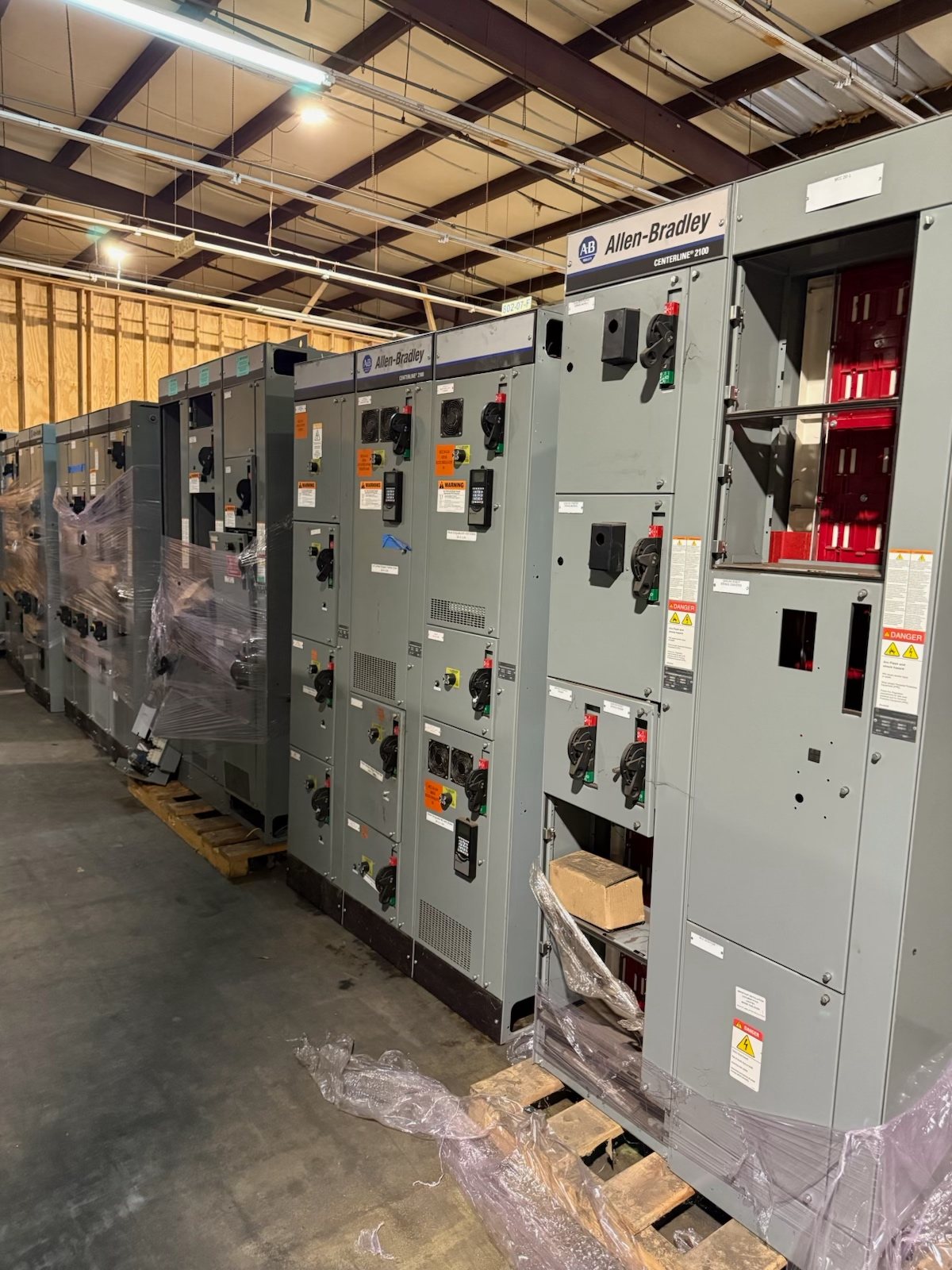
The most useful inventory is one that describes the property being offered, not every item on a project. Available manufacturer markings, quantities and a broad location can help. When one figure refers to a component rather than the complete assembly, preserve that distinction and leave uncertain fields blank.
Buyer-handled removal
Equipment of all voltage classes, from lower to higher voltage, is within our buying scope. We also buy switchgear from shut-down power plants and decommissioned data centers. After a purchase is agreed, our qualified personnel handle necessary disconnects, removal, crane work, rigging, loading, hauling and covered freight, with no seller testing or physical labor.
Electrical safety is handled as part of the buyer’s professional work, not as a task for the seller. Do not try to operate equipment, open a panel or collect information from an unsafe position. Qualified buyer personnel coordinate the necessary disconnects and removal with the site’s authorized representative.
Site access and freight
Where a lot spans several rooms or buildings, a general description of the locations helps the buyer understand the work. It is not necessary to gather the assets into one area. The buyer’s qualified personnel handle required disconnects, removal, rigging and loading, along with the freight and hauling.
Where assets are released in stages, the owner can describe the planned windows if known. The buyer reviews the schedule and coordinates the necessary work; there is no promise of an immediate visit or a particular collection date before agreement. The seller does not handle the freight.
Inquiry, offer and payment
Send an inquiry with whatever description is readily available. After review, the buyer may make a cash offer for the proposed assets. If the purchase is agreed, payment is upfront, while the buyer handles necessary work and covers freight. A review does not commit either party to a sale.
A useful first message need not be polished: identify the general equipment, where it is and whether it is still installed, if known. Mention any release date already established. The buyer can review missing details without requiring the seller to test the equipment, arrange labor or organize freight.