THE DETAILS INDUSTRIES
Explore selling surplus electrical distribution equipment from power plant teardown projects in Michigan, including offer and freight planning.
The project and the assets
Owners can request a purchase review for surplus power-plant electrical equipment in Michigan, including assets still in place. The equipment offered, its ownership and the release schedule matter more than a project label alone. The examples below illustrate how an equipment sale might fit into a larger project.
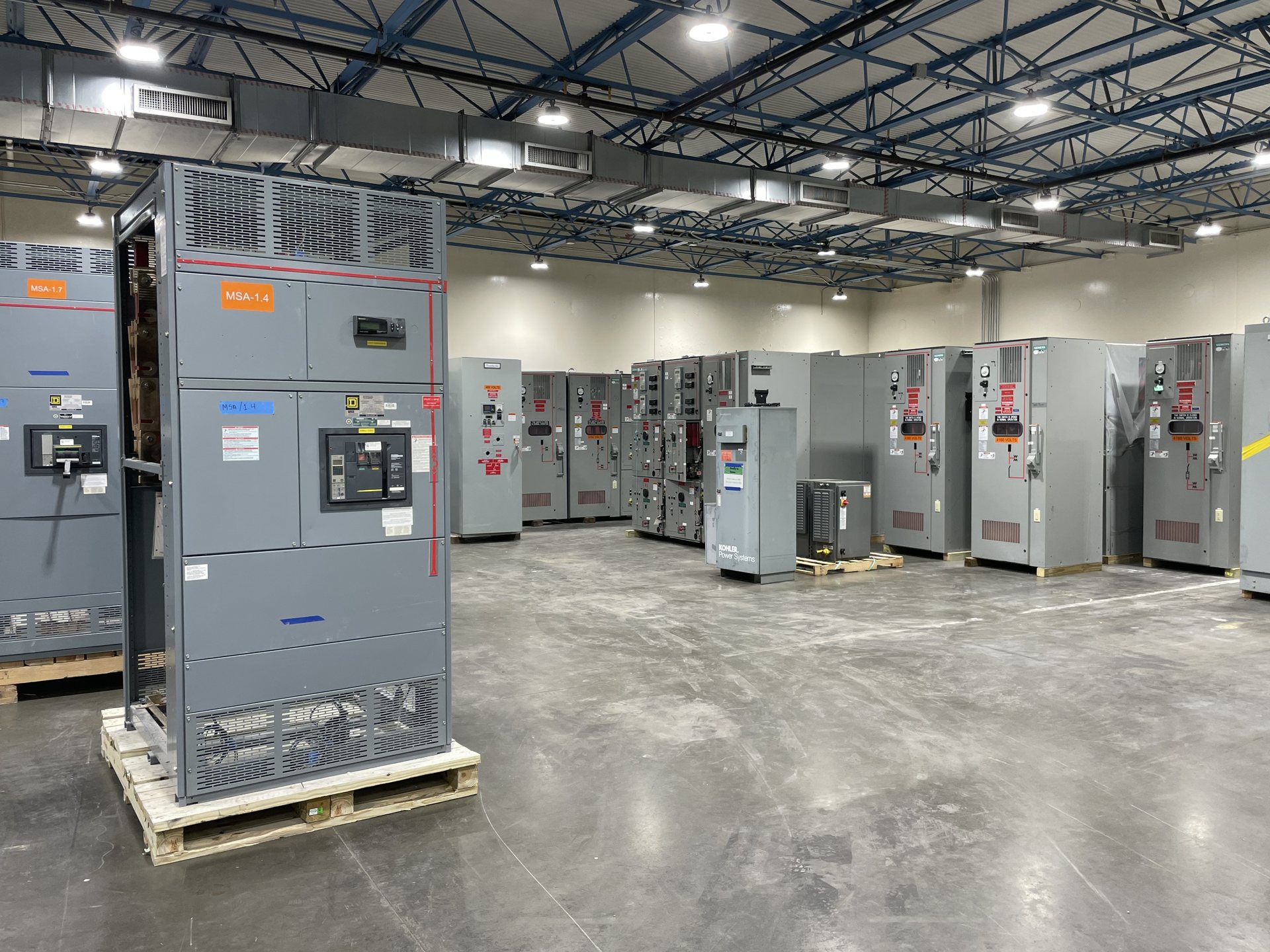
We buy switchgear from shut-down power plants. In a hypothetical teardown, the electrical assets offered for sale may be only one part of a much larger project. An owner-approved asset list helps distinguish the equipment being sold from retained property and material controlled by other parties.
Planning the release
For a cash-offer inquiry, the available asset description, owner authorization and likely handover timing help frame the review. The buyer may make an offer after considering the equipment and site. If accepted, payment is upfront; no seller testing or freight arrangement is required.
Existing project records may show items that must stay on site alongside items that can be sold. If so, distinguish the proposed sale from retained property and note where ownership is uncertain. The buyer can review the authorized assets without treating a broad project description as a complete inventory.
Condition and offer review
Unknown history is not the same as a claim that equipment has failed. Equally, a clean exterior or a complete-looking lineup is not proof that it works. A seller can describe the facts available, note missing components and let the buyer review the equipment without seller-conducted tests.
A proposed cash offer reflects a review of the assets and transaction details rather than a fixed price based on a label. The contents, available records, known condition, release schedule and site access can matter. The buyer may accept or decline an opportunity; any agreement is made with the authorized seller.
Site and inventory considerations
A power-plant site may have controlled access, multiple work groups and phased handovers. The buyer coordinates the agreed equipment removal with the appropriate site representatives and handles disconnects, crane work, rigging, loading, hauling and freight through qualified personnel. The seller need not perform that work.
An owner may have an old schedule, purchase record or drawing that identifies the equipment. Those materials can be useful context, although the buyer must review what is actually included in the proposed sale. Where a document and the known inventory differ, note the discrepancy rather than assuming either is complete.
Buyer-handled removal
We buy electrical equipment across all voltage classes, including switchgear from decommissioned data centers and shut-down power plants. For an agreed purchase, we handle necessary disconnects, removal, crane and rigging work, loading, hauling and freight with qualified personnel. The seller does no testing or physical work and does not arrange or pay for freight.
A device can present hazards even when its status is uncertain. Leave operation, necessary disconnects and removal to the buyer’s qualified personnel, coordinated with the site. Existing documents or safely accessible exterior photos are sufficient to start; a seller should not open equipment or enter unsafe areas for more detail.
Site access and freight
Collection can require planning around site access, doorways, work areas or the timing of a property handover. Share any existing information about those constraints so the buyer can review them with the assets. The buyer handles the physical logistics, including qualified labor, loading and transport; the seller need not stage the equipment.
The owner may have a deadline for clearing a space or completing a property handover. The buyer can consider that information during review, along with any access rules. Timing is agreed rather than presumed, and the buyer handles collection and covered freight for the purchased assets.
Inquiry, offer and payment
An inquiry is a request for review, not an automatic purchase. The buyer considers the available information and may make a cash offer, with the details agreed by the authorized seller. On an agreed purchase, payment is upfront; the buyer covers freight and handles the necessary physical work.
Tell the buyer what equipment may be available and share any existing records that help define the lot. If the details or condition are uncertain, say so rather than investigating unsafe equipment. The seller does not test or handle removal; after the purchase is agreed, payment is upfront.