THE DETAILS INDUSTRIES
Explore selling surplus electrical distribution equipment from utility substation changeouts projects in Michigan, including offer and freight planning.
The project and the assets
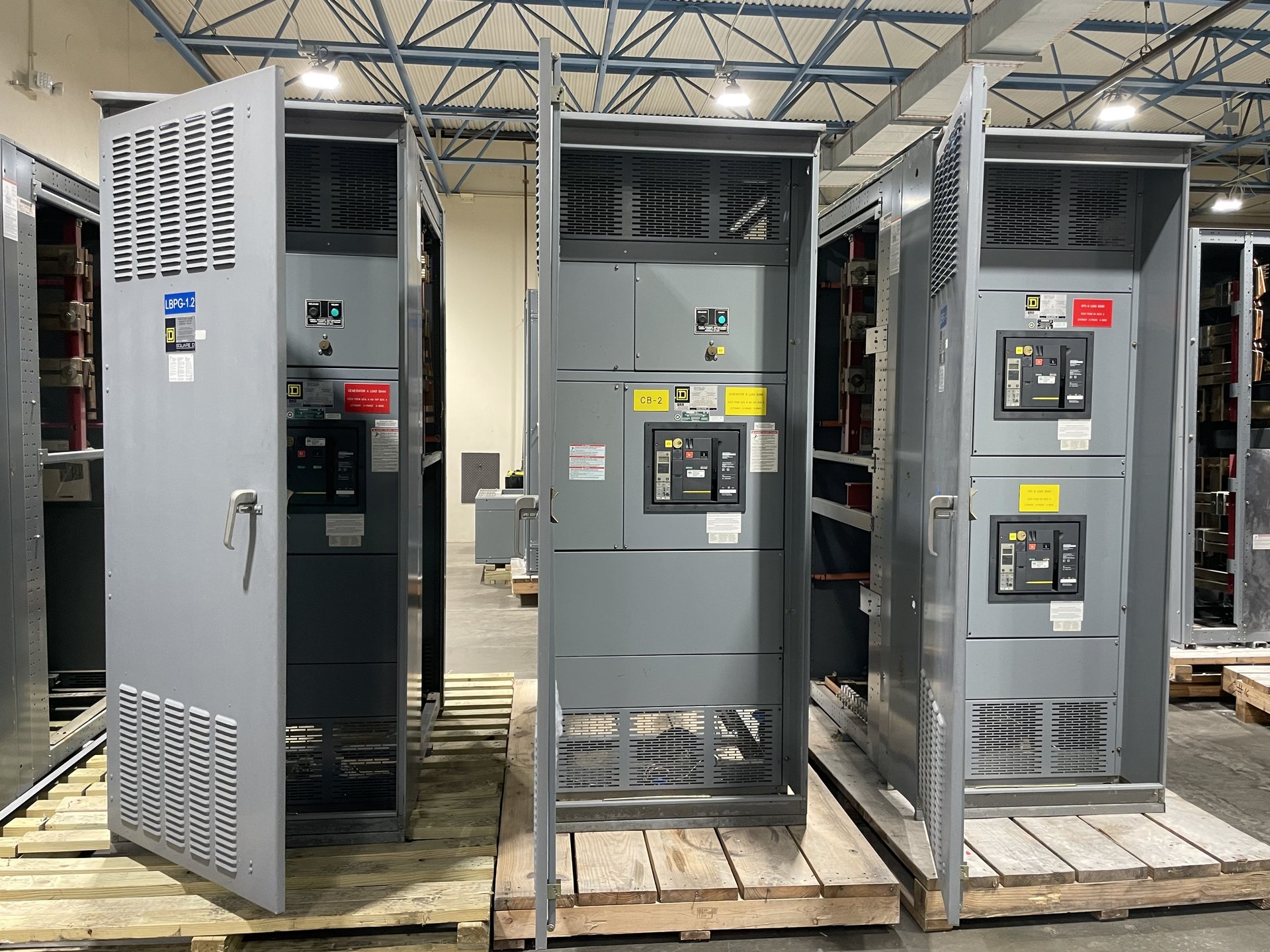
Owners can request a purchase review for surplus utility substation changeout electrical equipment in Michigan, including assets still in place. The equipment offered, its ownership and the release schedule matter more than a project label alone. The examples below illustrate how an equipment sale might fit into a larger project.
In a hypothetical utility substation changeout, ownership and authority to sell are essential: not every asset on a site necessarily belongs to the same party. The proposed inventory should identify only equipment the seller is authorized to release. Existing asset records can help distinguish individual items and their status.
Planning the release
For asset identification, distinguish individual lineups, associated equipment and loose items using the records already available. Manufacturer, model, rating and location can be useful when known. Missing information should be labeled as unknown rather than inferred from another device or an old project drawing.
An equipment name tells only part of the story: a sale might involve one assembly, several sections or related loose parts. The owner can describe the intended boundary in ordinary language. The buyer reviews the actual proposed lot and handles the physical work if a purchase is agreed.
Condition and offer review
Condition affects an offer, but a seller does not need to establish that a device operates. Describe known damage, missing pieces, storage history or prior use if those facts are available, and say when the operating condition is unknown. A retired or unused label is a description, not a substitute for a condition assessment.
The scope of the sale influences the review: a complete lineup, a few sections and loose devices are not necessarily the same proposition. So do known condition, site access and the timing of release. The buyer can make a cash offer following review, but there is no promise to purchase every asset.
Site and inventory considerations
Controlled access and an operating electrical environment call for coordination with the owner and applicable site procedures. Necessary disconnects and removal are handled by the buyer’s qualified personnel in coordination with the authorized site representatives. An inquiry does not authorize work or imply that operating equipment can be approached.
Existing asset lists, project documents and exterior photographs can help identify what the owner intends to sell. Useful details may include manufacturer, model, ratings, quantities and the general location of each group. Share only what is already known or safely accessible; an incomplete list is a reasonable starting point for a conversation.
Buyer-handled removal
We buy electrical distribution equipment of all voltage classes, and we buy switchgear from decommissioned data centers and shut-down power plants. For an agreed purchase, our qualified personnel handle necessary disconnects, removal, crane work, rigging, loading and hauling. The buyer covers freight, and the seller does no testing or physical work.
A seller does not have to prepare equipment electrically or demonstrate that it works. Avoid operating devices, opening covers or entering unsafe areas for photographs. The buyer’s qualified personnel handle the necessary disconnects and removal, coordinating access and the work with the authorized site representative.
Site access and freight
If known, the equipment location, access windows, approximate size and building restrictions can help the buyer plan the work. Large or awkward pieces may need special lifting or a coordinated route. The buyer arranges qualified crews and equipment, including cranes and rigging where needed, and handles loading and hauling.
A practical handover identifies the assets, the authorized site contact and any restrictions on entry or work. The buyer coordinates its own crews and handles the work necessary to collect the agreed purchase. The seller need not package, load or arrange a shipment.
Inquiry, offer and payment
A purchase starts with an inquiry and a review of the actual assets. The buyer may propose a cash offer, which the authorized seller can accept or decline. Once the parties agree, payment is upfront, and the buyer arranges and covers the freight.
When you are ready, share what is available and any records you already have. If a rating or condition is uncertain, simply say so. The buyer reviews the opportunity and, if a purchase is agreed, pays upfront and handles the qualified removal work and freight.