THE DETAILS INDUSTRIES
Explore selling surplus electrical distribution equipment from power plant teardown projects in Michigan, including offer and freight planning.
The project and the assets
Owners can request a purchase review for surplus power-plant electrical equipment in Michigan, including assets still in place. The equipment offered, its ownership and the release schedule matter more than a project label alone. The examples below illustrate how an equipment sale might fit into a larger project.
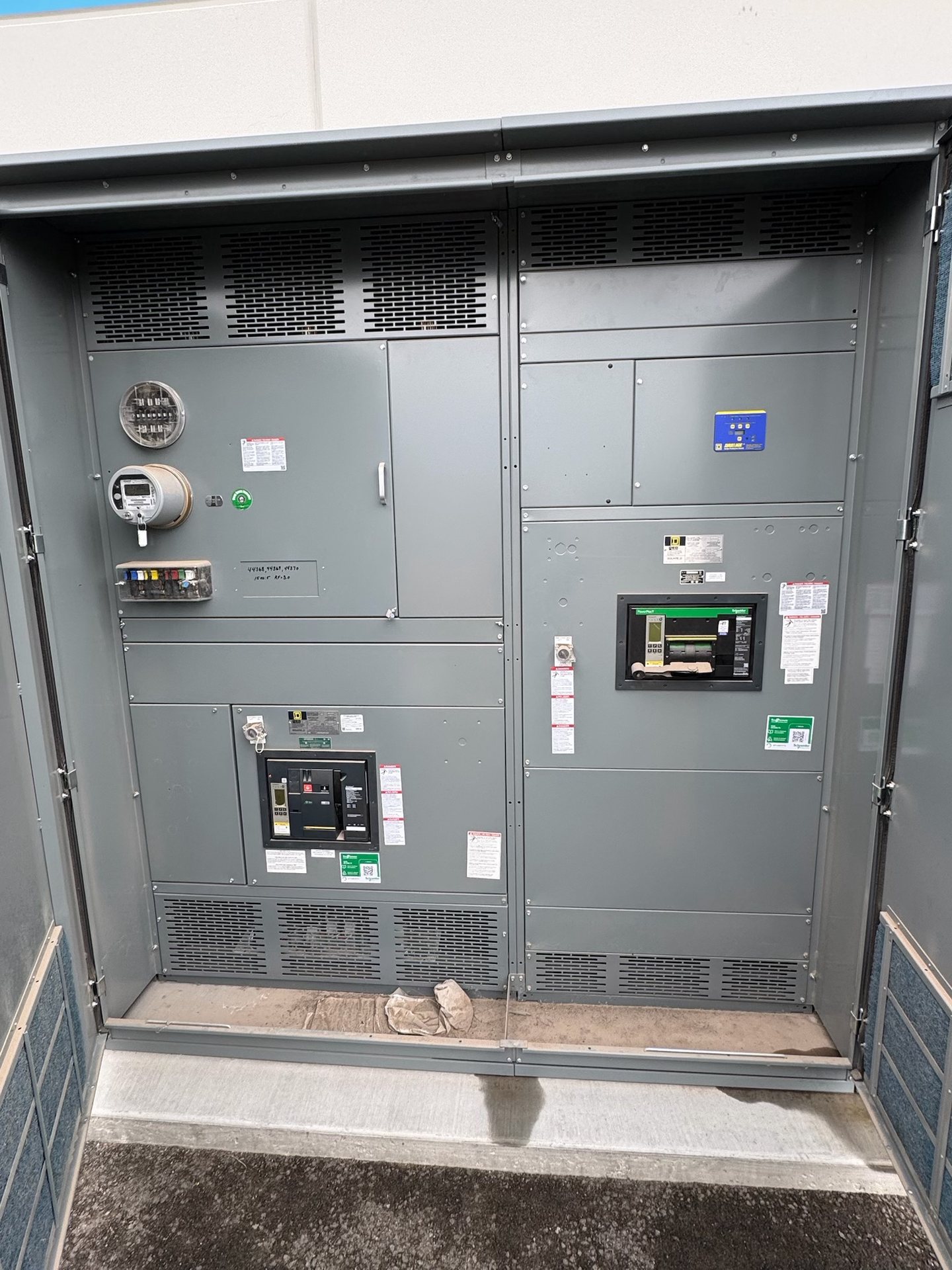
We buy switchgear from shut-down power plants. In a hypothetical teardown, the electrical assets offered for sale may be only one part of a much larger project. An owner-approved asset list helps distinguish the equipment being sold from retained property and material controlled by other parties.
Planning the release
For a mixed lot, explain whether equipment in different rooms or project phases is intended to be sold together. A count or existing inventory helps define the proposed boundary. The buyer can discuss the group and any separate assets, subject to review; an offer for every item is not automatic.
Equipment can become surplus for many reasons, including a change in operations, a replacement project or a decision to clear storage. The reason helps explain when it may be released, but it does not establish condition. The buyer reviews the actual assets and their availability rather than assuming a project is complete.
Condition and offer review
Condition and completeness are separate questions. An assembly might include all known sections while its operating state is unknown, or it might be missing components despite a documented history. Report the distinction if it is known; no testing, energizing or troubleshooting is needed for an inquiry.
A proposed cash offer reflects a review of the assets and transaction details rather than a fixed price based on a label. The contents, available records, known condition, release schedule and site access can matter. The buyer may accept or decline an opportunity; any agreement is made with the authorized seller.
Site and inventory considerations
A power-plant site may have controlled access, multiple work groups and phased handovers. The buyer coordinates the agreed equipment removal with the appropriate site representatives and handles disconnects, crane work, rigging, loading, hauling and freight through qualified personnel. The seller need not perform that work.
The most useful inventory is one that describes the property being offered, not every item on a project. Available manufacturer markings, quantities and a broad location can help. When one figure refers to a component rather than the complete assembly, preserve that distinction and leave uncertain fields blank.
Buyer-handled removal
All voltage classes are within the buying scope, including switchgear from shut-down power plants and decommissioned data centers. After an agreement, the buyer’s qualified personnel handle necessary disconnects, removal, crane work, rigging, loading, freight and hauling. The buyer covers freight; the seller does no testing or physical removal work.
A seller does not have to prepare equipment electrically or demonstrate that it works. Avoid operating devices, opening covers or entering unsafe areas for photographs. The buyer’s qualified personnel handle the necessary disconnects and removal, coordinating access and the work with the authorized site representative.
Site access and freight
For a collection plan, the buyer considers the equipment’s location, size and any known site restrictions. If several rooms or release dates are involved, those can be discussed as part of the proposed purchase. The buyer’s qualified personnel perform the on-site work and arrange the covered freight.
A property handover, controlled entrance or limited work window may affect the collection plan. Tell the buyer what is already known, and agree the timing before work begins. The buyer handles the physical work and covered freight; the owner does not have to make the shipment ready.
Inquiry, offer and payment
Start with the information at hand and the proposed release. The buyer reviews the assets and may present a cash offer; an offer and acceptance depend on the equipment and transaction details. Once a purchase is agreed, payment is upfront, and freight is covered by the buyer.
You can begin with the equipment type, approximate quantity, site location and an authorized contact, adding existing photos or records if convenient. Unknown details can remain unknown. There is no need to test, disconnect, move or load anything: after agreement, the seller’s part is to receive payment.