THE DETAILS INDUSTRIES
Explore selling surplus electrical distribution equipment from industrial shutdown projects in Michigan, including offer and freight planning.
The project and the assets
Owners can request a purchase review for surplus industrial shutdown electrical equipment in Michigan, including assets still in place. The equipment offered, its ownership and the release schedule matter more than a project label alone. The examples below illustrate how an equipment sale might fit into a larger project.
An industrial shutdown may produce a mix of distribution lineups, control equipment and loose spares, with each group released on a different schedule. A hypothetical asset list can identify what is being offered and where it is located without assuming that every item in a closed facility is available for sale.
Planning the release
For a handover, describe known site access rules, contact arrangements and any release window. Existing dimensions and a general description of the equipment location can help the buyer plan. The buyer supplies qualified personnel and handles the on-site work, loading and freight for an agreed purchase.
A release date and a site closure date are not necessarily the same. Some assets might remain in place longer than others or require an agreed access window. If the schedule is known, the buyer can take it into account while reviewing the equipment; the owner does not have to move it first.
Condition and offer review
If the history is incomplete, say so. The buyer can review an item identified as untested or a lineup with missing information, taking that uncertainty into account. Information about visible damage or missing components is helpful when already known, but the owner is not asked to perform a technical inspection.
Equipment that looks similar can differ in its included components, condition and accessibility. For that reason, a review considers the actual lot and collection requirements rather than promising a value from a single detail. The owner remains free to consider the offer; a request is not an obligation to sell.
Site and inventory considerations
It helps to distinguish final shutdown milestones from equipment release dates. The buyer can review known timing and site restrictions before an agreement and use qualified personnel for the necessary disconnects and removal. There is no requirement for the seller to test the equipment or arrange freight.
An owner may have an old schedule, purchase record or drawing that identifies the equipment. Those materials can be useful context, although the buyer must review what is actually included in the proposed sale. Where a document and the known inventory differ, note the discrepancy rather than assuming either is complete.
Buyer-handled removal
We buy equipment of all voltage classes and buy switchgear from decommissioned data centers and shut-down power plants. On an agreed purchase, the buyer takes care of necessary disconnects, removal, cranes, rigging, loading, hauling and freight through qualified personnel. The seller is not expected to test, move, load or ship anything.
No seller testing is needed, and an inquiry is not a request to make equipment safe by yourself. Do not open equipment or go near an unsafe installation to obtain a label. The buyer uses qualified personnel for the necessary electrical and physical work, coordinated with the appropriate site contact.
Site access and freight
A freight plan considers more than a destination. The buyer may need to coordinate access to the equipment, lifting and a route out of the site. Existing dimensions or site rules are helpful when available. The buyer handles the on-site physical work, loading, hauling and covered freight.
A practical handover identifies the assets, the authorized site contact and any restrictions on entry or work. The buyer coordinates its own crews and handles the work necessary to collect the agreed purchase. The seller need not package, load or arrange a shipment.
Inquiry, offer and payment
The process is straightforward: share the available description, let the buyer review the equipment and site details, and consider any cash offer made. Offers are subject to review and the parties’ agreement; not every item is necessarily purchased. For an accepted purchase, payment is upfront, and the buyer covers freight.
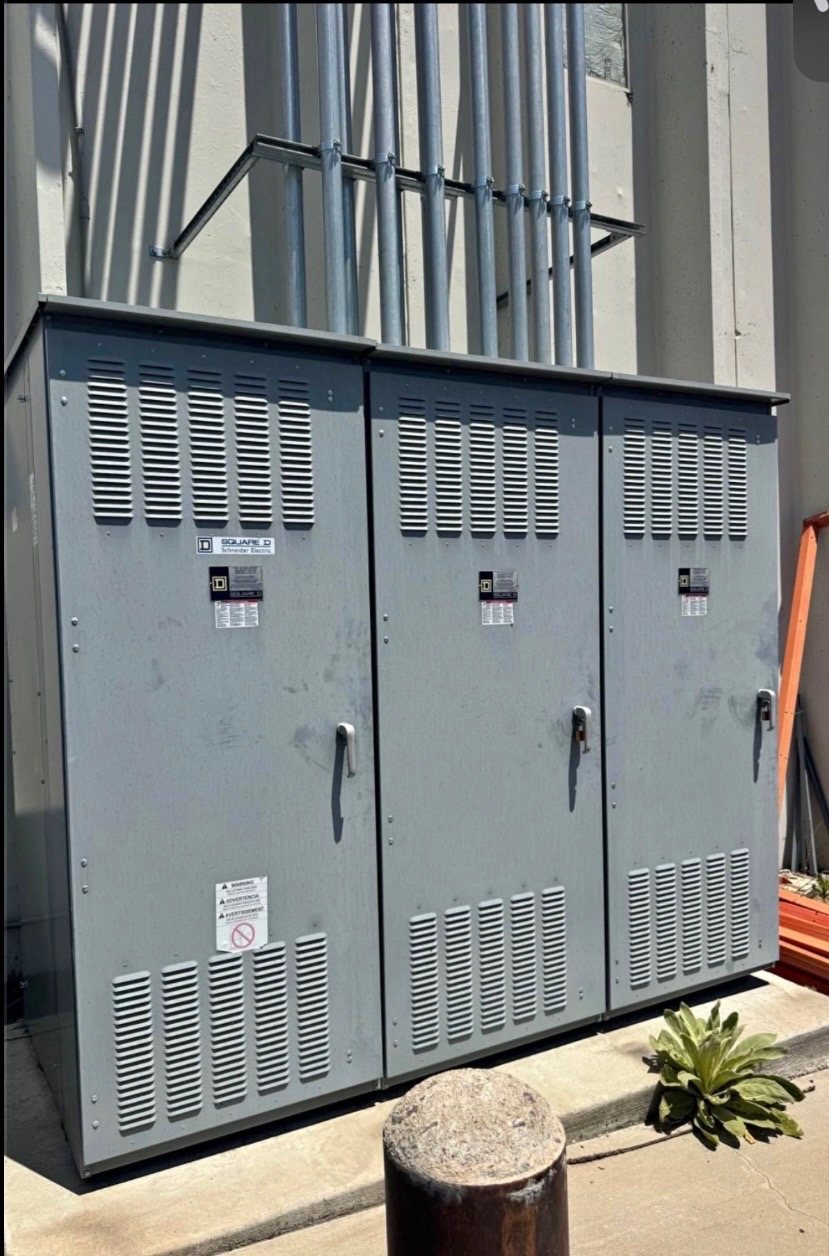
If you have an existing list or a few safely accessible exterior photos, those can accompany the inquiry; a short description also works. Include any known deadline and identify who can authorize the sale. The seller does no testing or physical work, and the buyer plans the agreed collection after upfront payment.