THE DETAILS INDUSTRIES
Explore selling surplus electrical distribution equipment from bitcoin mining projects in Michigan, including offer and freight planning.
The project and the assets
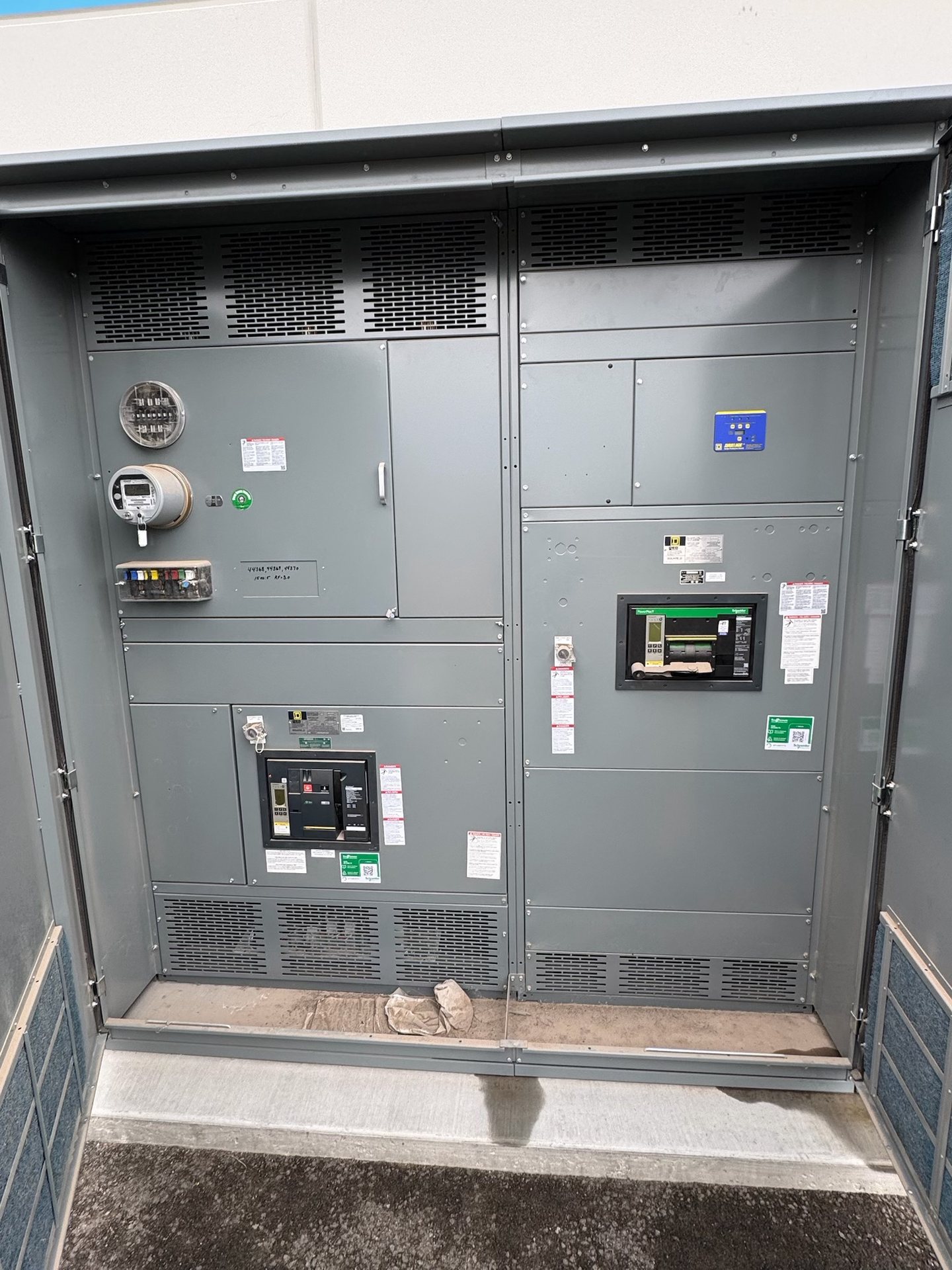
Owners can request a purchase review for surplus bitcoin-mining electrical equipment in Michigan, including assets still in place. The equipment offered, its ownership and the release schedule matter more than a project label alone. The examples below illustrate how an equipment sale might fit into a larger project.
At a hypothetical bitcoin-mining site closure or consolidation, distribution equipment may be a separate asset from the computing equipment it supplied. A sale inquiry should identify the electrical assets and their owner rather than assuming all property at the site belongs to the same party. Existing counts and records can help define the proposed lot.
Planning the release
For a cash-offer inquiry, the available asset description, owner authorization and likely handover timing help frame the review. The buyer may make an offer after considering the equipment and site. If accepted, payment is upfront; no seller testing or freight arrangement is required.
Equipment can become surplus for many reasons, including a change in operations, a replacement project or a decision to clear storage. The reason helps explain when it may be released, but it does not establish condition. The buyer reviews the actual assets and their availability rather than assuming a project is complete.
Condition and offer review
Condition affects an offer, but a seller does not need to establish that a device operates. Describe known damage, missing pieces, storage history or prior use if those facts are available, and say when the operating condition is unknown. A retired or unused label is a description, not a substitute for a condition assessment.
A proposed cash offer reflects a review of the assets and transaction details rather than a fixed price based on a label. The contents, available records, known condition, release schedule and site access can matter. The buyer may accept or decline an opportunity; any agreement is made with the authorized seller.
Site and inventory considerations
Large connected loads do not establish the rating or condition of a particular assembly. If the equipment is still installed, the buyer handles required disconnects and removal through qualified personnel after the purchase is agreed. Existing access and release information can help the buyer plan the collection.
A short list can identify individual equipment groups and note which are installed and which are stored, if that information is already known. Existing labels or project records add context. The buyer can ask about gaps; the seller is not expected to make technical determinations or certify the contents.
Buyer-handled removal
We buy equipment across all voltage classes, including switchgear from decommissioned data centers and shut-down power plants. With an agreed purchase, the buyer’s qualified personnel handle required disconnects, removal, cranes, rigging, loading and hauling, and the buyer covers freight. The seller does not have to test or physically handle the equipment.
The seller is not asked to prove the equipment works or prepare it for removal. Do not open an enclosure, touch electrical parts or enter an unsafe area to identify it. The buyer uses qualified personnel to coordinate and perform the necessary electrical work and physical removal.
Site access and freight
For a large or awkward assembly, collection planning may involve lifting equipment and space to maneuver. A seller can mention known access restrictions without finding a carrier or arranging a crane. The buyer handles required rigging, loading and hauling with qualified personnel and covers freight.
Different pieces may be available at different times. A known sequence or release window can be discussed before the purchase is agreed, even if some details remain unsettled. Qualified buyer personnel handle the actual physical work; the seller is not asked to stage or ship the equipment.
Inquiry, offer and payment
There is no obligation to sell simply because an owner describes surplus equipment. The buyer reviews the lot and may make a cash offer. If both sides agree on the purchase, the seller receives upfront payment, and the buyer takes care of covered freight.
Tell the buyer what equipment may be available and share any existing records that help define the lot. If the details or condition are uncertain, say so rather than investigating unsafe equipment. The seller does not test or handle removal; after the purchase is agreed, payment is upfront.