THE DETAILS INDUSTRIES
Explore selling surplus electrical distribution equipment from data centers projects in Michigan, including offer and freight planning.
The project and the assets
Owners can request a purchase review for surplus data-center electrical equipment in Michigan, including assets still in place. The equipment offered, its ownership and the release schedule matter more than a project label alone. The examples below illustrate how an equipment sale might fit into a larger project.
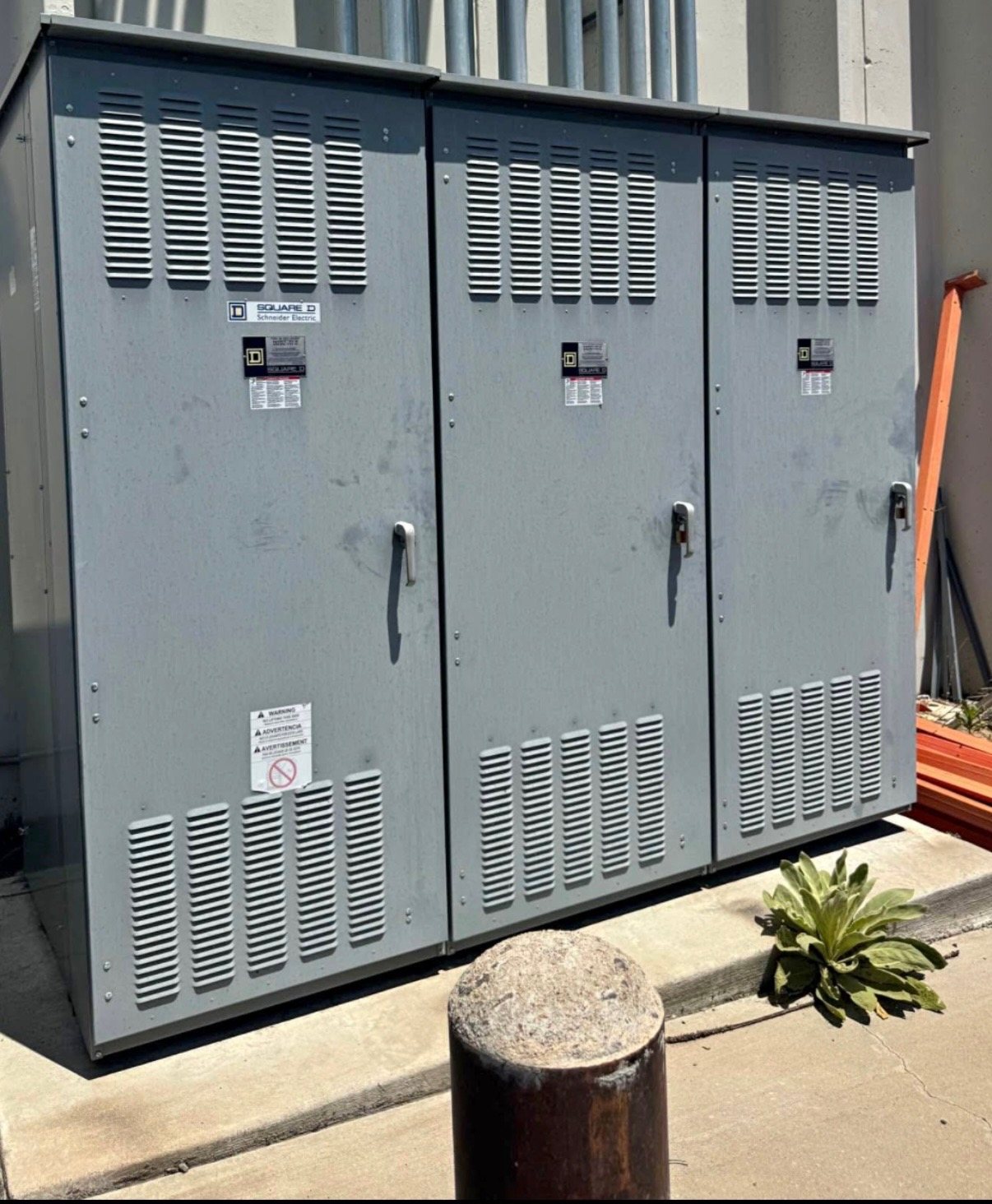
We buy switchgear from decommissioned data centers. A hypothetical data-center project may also include backup-related distribution equipment or multiple generations of gear; the actual lot depends on what the owner releases. An existing equipment list can distinguish retired assets from equipment that remains part of an operating system.
Planning the release
For a mixed lot, explain whether equipment in different rooms or project phases is intended to be sold together. A count or existing inventory helps define the proposed boundary. The buyer can discuss the group and any separate assets, subject to review; an offer for every item is not automatic.
The person making the inquiry may be the owner or someone acting on the owner’s behalf. Clarifying who can authorize the sale and who controls site access gives both sides a practical starting point. The details can be worked out during review without asking the seller to arrange a removal crew.
Condition and offer review
An owner’s records might establish that an asset was removed from service, but that is different from establishing its current condition. State the known facts, including any incomplete parts or damage, and leave the rest uncertain. The buyer makes its own purchase review without requiring the seller to test the asset.
The scope of the sale influences the review: a complete lineup, a few sections and loose devices are not necessarily the same proposition. So do known condition, site access and the timing of release. The buyer can make a cash offer following review, but there is no promise to purchase every asset.
Site and inventory considerations
A phased cutover can make availability and site access more important than a single project completion date. The buyer coordinates necessary work with site representatives and uses qualified personnel. No claim of uninterrupted power or of a particular technical outcome is implied; the asset owner controls the release of its equipment.
The most useful inventory is one that describes the property being offered, not every item on a project. Available manufacturer markings, quantities and a broad location can help. When one figure refers to a component rather than the complete assembly, preserve that distinction and leave uncertain fields blank.
Buyer-handled removal
We buy equipment across all voltage classes, including switchgear from decommissioned data centers and shut-down power plants. With an agreed purchase, the buyer’s qualified personnel handle required disconnects, removal, cranes, rigging, loading and hauling, and the buyer covers freight. The seller does not have to test or physically handle the equipment.
A device can present hazards even when its status is uncertain. Leave operation, necessary disconnects and removal to the buyer’s qualified personnel, coordinated with the site. Existing documents or safely accessible exterior photos are sufficient to start; a seller should not open equipment or enter unsafe areas for more detail.
Site access and freight
Collection can require planning around site access, doorways, work areas or the timing of a property handover. Share any existing information about those constraints so the buyer can review them with the assets. The buyer handles the physical logistics, including qualified labor, loading and transport; the seller need not stage the equipment.
A property handover, controlled entrance or limited work window may affect the collection plan. Tell the buyer what is already known, and agree the timing before work begins. The buyer handles the physical work and covered freight; the owner does not have to make the shipment ready.
Inquiry, offer and payment
After reviewing the equipment and the practical details, the buyer may make a cash offer. Whether the transaction proceeds depends on the review and agreement with the authorized seller. An agreed purchase is paid upfront, with the buyer covering freight and handling collection.
An existing equipment list or a brief description is a useful start. Include the general location and an authorized contact, along with any known release window. Information can remain incomplete; the buyer reviews the opportunity without asking the seller to test, disconnect, package or load the assets.