THE DETAILS INDUSTRIES
Explore selling surplus electrical distribution equipment from automotive shutdown projects in Michigan, including offer and freight planning.
The project and the assets
Owners can request a purchase review for surplus automotive shutdown electrical equipment in Michigan, including assets still in place. The equipment offered, its ownership and the release schedule matter more than a project label alone. The examples below illustrate how an equipment sale might fit into a larger project.
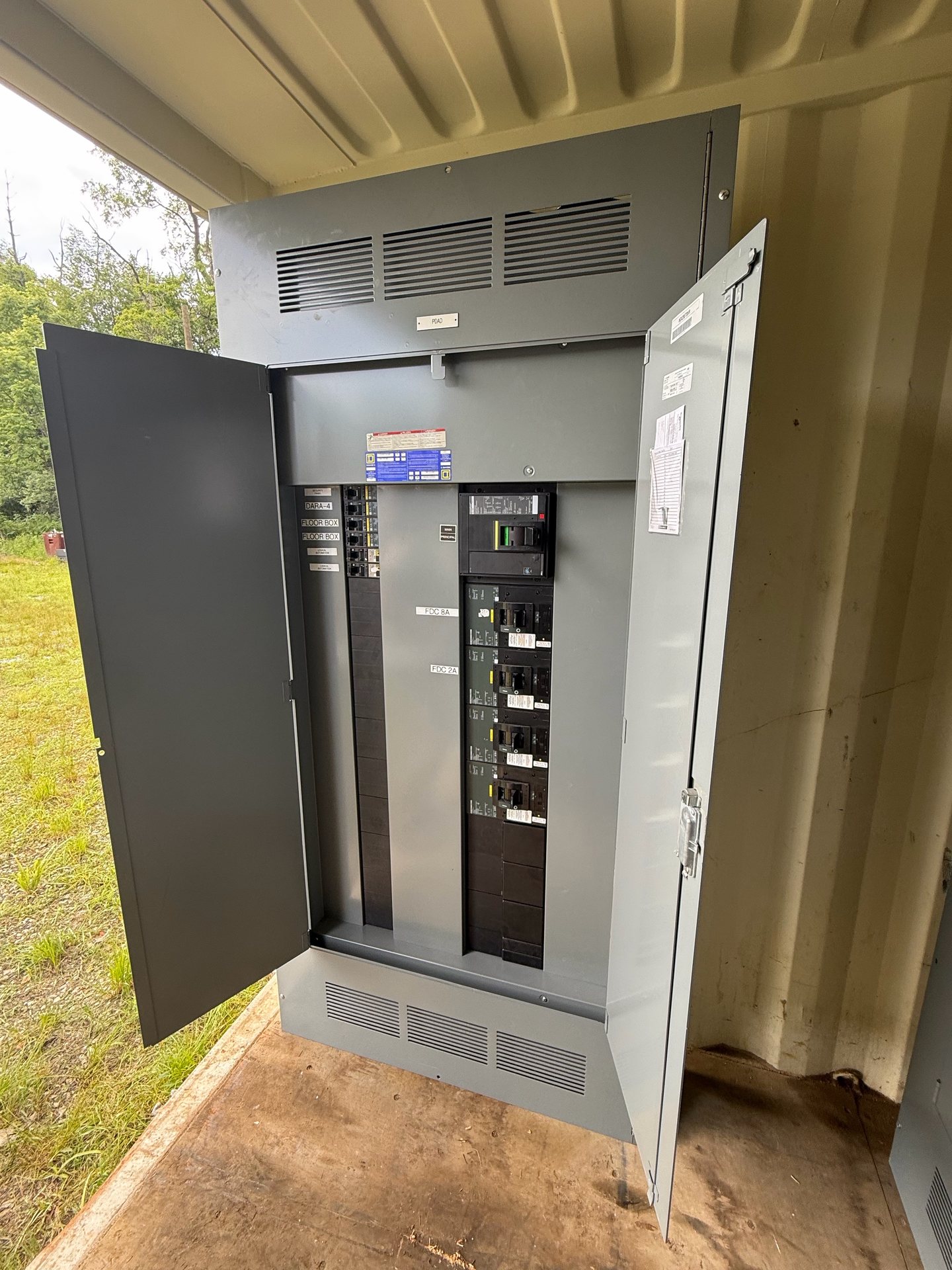
An automotive manufacturing shutdown can release electrical assets in phases as production areas are retired. In a hypothetical project, an owner might have a lineup scheduled for release before a second group of equipment. Existing asset lists and release dates can help the buyer review what is actually available without assuming the whole site is for sale.
Planning the release
For a mixed lot, explain whether equipment in different rooms or project phases is intended to be sold together. A count or existing inventory helps define the proposed boundary. The buyer can discuss the group and any separate assets, subject to review; an offer for every item is not automatic.
The boundary of the proposed sale is worth settling early. An owner may want to keep some devices, records or accessories while offering the main assembly. Sharing that distinction helps the buyer review the right assets and avoids assuming that everything in the same room belongs to the lot.
Condition and offer review
A box labeled as a spare may have spent years in storage, and an installed unit may have an incomplete service history. Neither example proves an operating condition. Share what is already known about use, storage or visible damage so the buyer can evaluate the uncertainty as part of the offer review.
Equipment that looks similar can differ in its included components, condition and accessibility. For that reason, a review considers the actual lot and collection requirements rather than promising a value from a single detail. The owner remains free to consider the offer; a request is not an obligation to sell.
Site and inventory considerations
Production deadlines and building handovers may create different windows for different assets. Keep equipment being retained or transferred separate from the proposed sale. The buyer handles necessary disconnects and physical removal through qualified personnel, coordinating the agreed work with the owner’s site representatives.
An owner may have an old schedule, purchase record or drawing that identifies the equipment. Those materials can be useful context, although the buyer must review what is actually included in the proposed sale. Where a document and the known inventory differ, note the discrepancy rather than assuming either is complete.
Buyer-handled removal
We buy electrical distribution equipment of all voltage classes, and we buy switchgear from decommissioned data centers and shut-down power plants. For an agreed purchase, our qualified personnel handle necessary disconnects, removal, crane work, rigging, loading and hauling. The buyer covers freight, and the seller does no testing or physical work.
Leave electrical operations and removal to qualified personnel working for the buyer. The owner does not need to energize, test, disconnect or open equipment for an offer. If an identifying detail cannot be obtained safely, it can be reported as unknown rather than investigated.
Site access and freight
For a collection plan, the buyer considers the equipment’s location, size and any known site restrictions. If several rooms or release dates are involved, those can be discussed as part of the proposed purchase. The buyer’s qualified personnel perform the on-site work and arrange the covered freight.
Where assets are released in stages, the owner can describe the planned windows if known. The buyer reviews the schedule and coordinates the necessary work; there is no promise of an immediate visit or a particular collection date before agreement. The seller does not handle the freight.
Inquiry, offer and payment
A purchase starts with an inquiry and a review of the actual assets. The buyer may propose a cash offer, which the authorized seller can accept or decline. Once the parties agree, payment is upfront, and the buyer arranges and covers the freight.
To start, describe the assets you want considered and provide an authorized contact. Existing identification, condition notes and timing are useful when available, but uncertain details can be labeled unknown. The buyer reviews the opportunity, pays upfront for an agreed purchase and takes care of the physical work.