THE DETAILS INDUSTRIES
Explore selling surplus electrical distribution equipment from automotive shutdown projects in Michigan, including offer and freight planning.
The project and the assets
Owners can request a purchase review for surplus automotive shutdown electrical equipment in Michigan, including assets still in place. The equipment offered, its ownership and the release schedule matter more than a project label alone. The examples below illustrate how an equipment sale might fit into a larger project.
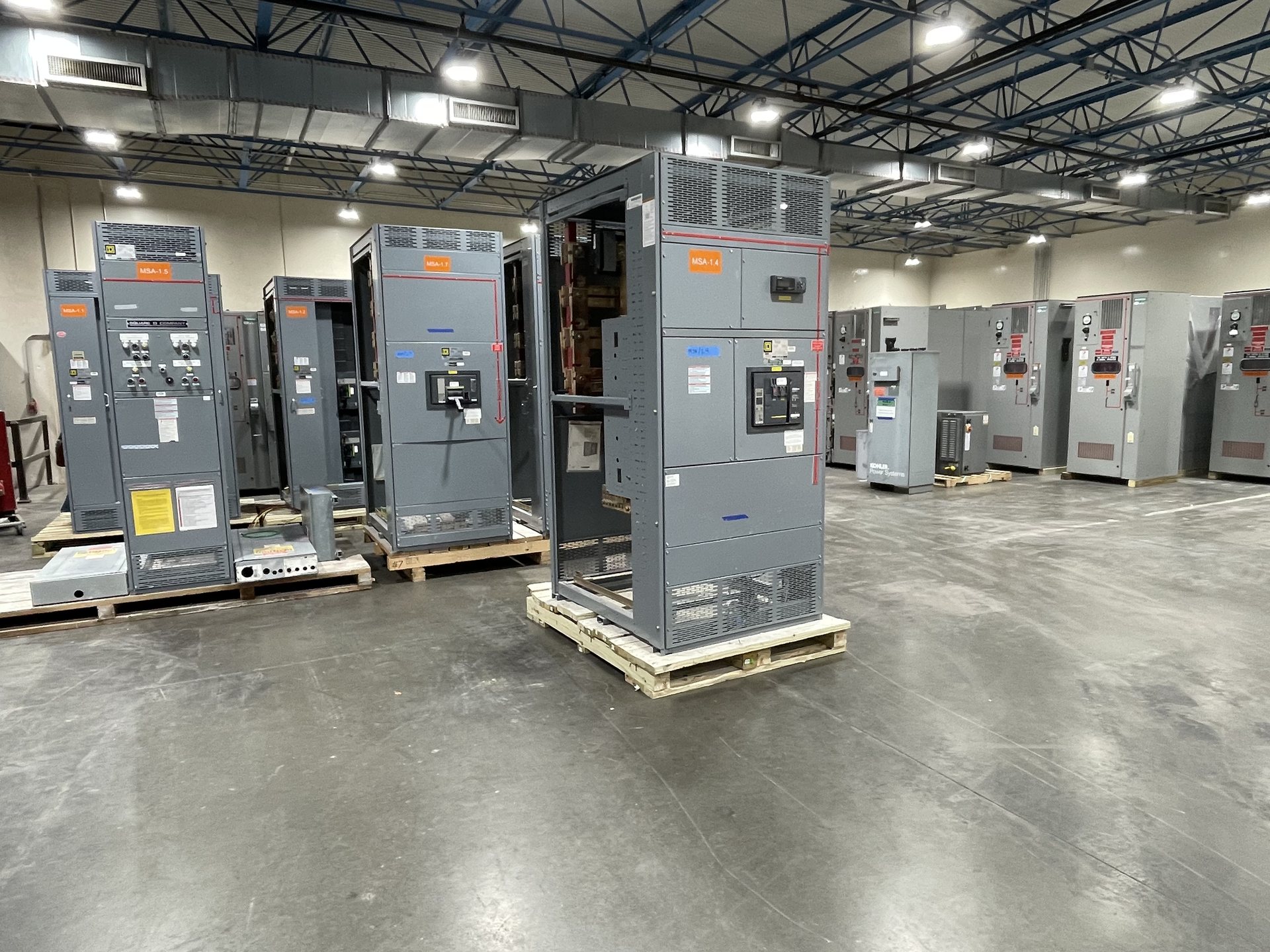
An automotive manufacturing shutdown can release electrical assets in phases as production areas are retired. In a hypothetical project, an owner might have a lineup scheduled for release before a second group of equipment. Existing asset lists and release dates can help the buyer review what is actually available without assuming the whole site is for sale.
Planning the release
For a handover, describe known site access rules, contact arrangements and any release window. Existing dimensions and a general description of the equipment location can help the buyer plan. The buyer supplies qualified personnel and handles the on-site work, loading and freight for an agreed purchase.
Existing project records may show items that must stay on site alongside items that can be sold. If so, distinguish the proposed sale from retained property and note where ownership is uncertain. The buyer can review the authorized assets without treating a broad project description as a complete inventory.
Condition and offer review
Condition and completeness are separate questions. An assembly might include all known sections while its operating state is unknown, or it might be missing components despite a documented history. Report the distinction if it is known; no testing, energizing or troubleshooting is needed for an inquiry.
The proposed lot and its release conditions form the basis of the buyer’s review. Available records, known condition and practical site access help explain that opportunity. A cash offer may be made after review, but the buyer does not promise that every asset has value or will be purchased.
Site and inventory considerations
Production deadlines and building handovers may create different windows for different assets. Keep equipment being retained or transferred separate from the proposed sale. The buyer handles necessary disconnects and physical removal through qualified personnel, coordinating the agreed work with the owner’s site representatives.
The most useful inventory is one that describes the property being offered, not every item on a project. Available manufacturer markings, quantities and a broad location can help. When one figure refers to a component rather than the complete assembly, preserve that distinction and leave uncertain fields blank.
Buyer-handled removal
All voltage classes are considered, including switchgear from decommissioned data centers and shut-down power plants. On an agreed purchase, qualified buyer personnel perform the needed disconnects, removal, crane and rigging work, loading and hauling. We cover freight; the seller does not test the equipment or perform the physical work.
If the status of an assembly is uncertain, do not assume it is safe to approach or operate. A record or safely accessible exterior photo may be shared without opening it. For an agreed purchase, qualified buyer personnel coordinate the necessary disconnects and removal with the site.
Site access and freight
Access and timing are practical parts of a review, whether equipment sits in a warehouse or remains installed at a facility. Existing information about location and release windows is useful; exact measurements are not a prerequisite for an initial inquiry. The buyer coordinates the lifting, loading, hauling and freight.
A property handover, controlled entrance or limited work window may affect the collection plan. Tell the buyer what is already known, and agree the timing before work begins. The buyer handles the physical work and covered freight; the owner does not have to make the shipment ready.
Inquiry, offer and payment
The process is straightforward: share the available description, let the buyer review the equipment and site details, and consider any cash offer made. Offers are subject to review and the parties’ agreement; not every item is necessarily purchased. For an accepted purchase, payment is upfront, and the buyer covers freight.
A useful first message need not be polished: identify the general equipment, where it is and whether it is still installed, if known. Mention any release date already established. The buyer can review missing details without requiring the seller to test the equipment, arrange labor or organize freight.