THE DETAILS INDUSTRIES
Explore selling surplus electrical distribution equipment from data centers projects in Michigan, including offer and freight planning.
The project and the assets
Owners can request a purchase review for surplus data-center electrical equipment in Michigan, including assets still in place. The equipment offered, its ownership and the release schedule matter more than a project label alone. The examples below illustrate how an equipment sale might fit into a larger project.
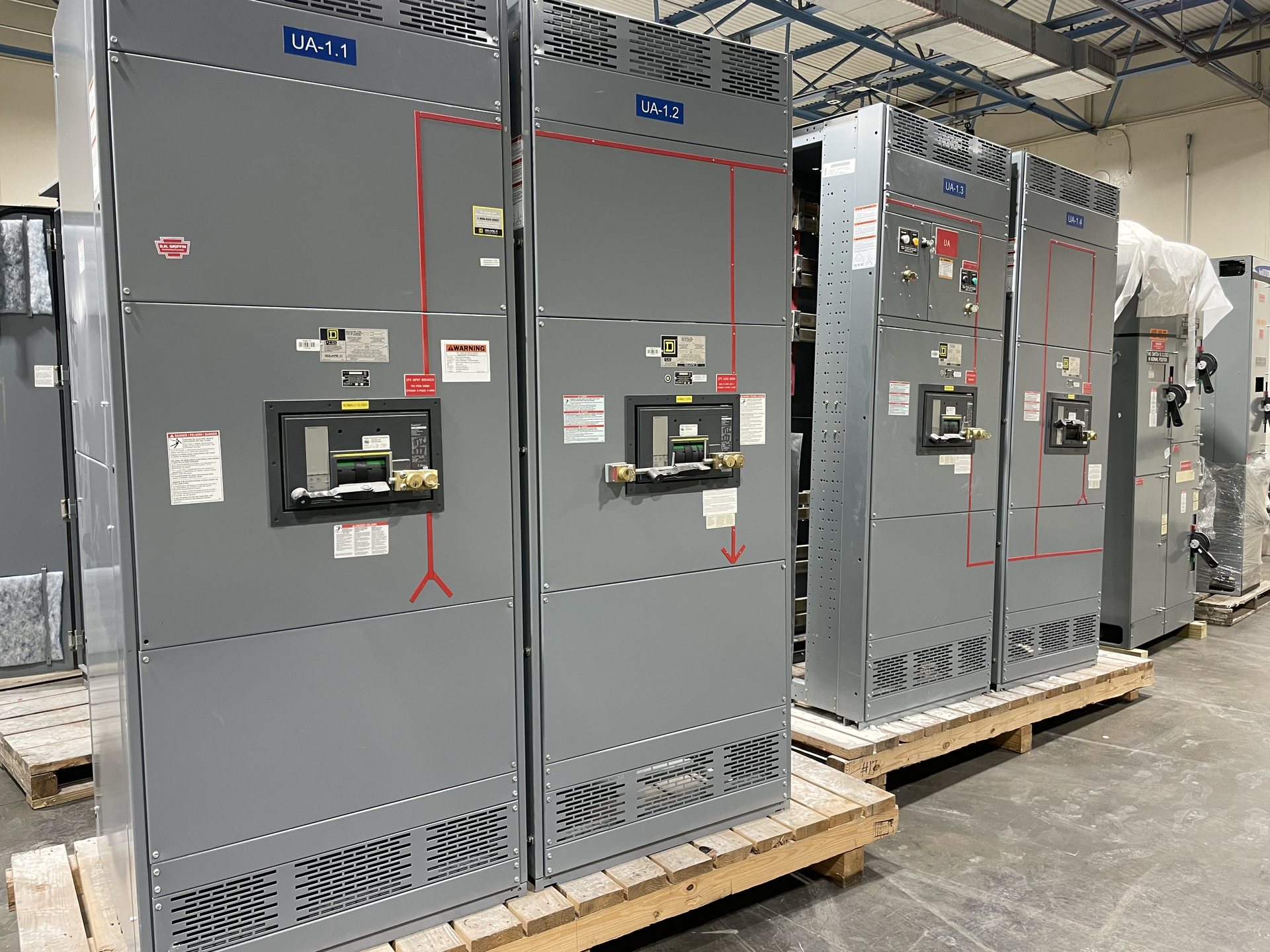
We buy switchgear from decommissioned data centers. A hypothetical data-center project may also include backup-related distribution equipment or multiple generations of gear; the actual lot depends on what the owner releases. An existing equipment list can distinguish retired assets from equipment that remains part of an operating system.
Planning the release
For a handover, describe known site access rules, contact arrangements and any release window. Existing dimensions and a general description of the equipment location can help the buyer plan. The buyer supplies qualified personnel and handles the on-site work, loading and freight for an agreed purchase.
A mixed inventory does not need to be sorted physically before it can be discussed. An existing list or a general description can distinguish assemblies from loose parts and identify items that are not for sale. The buyer handles the agreed collection instead of asking the owner to stage the inventory.
Condition and offer review
The buyer can review equipment without a seller’s certificate of operation. Useful context may include known damage, whether the item was used or stored, and any missing parts. Do not guess at details that are unavailable: an accurate statement that condition is unknown is more useful than an unsupported assurance.
The proposed lot and its release conditions form the basis of the buyer’s review. Available records, known condition and practical site access help explain that opportunity. A cash offer may be made after review, but the buyer does not promise that every asset has value or will be purchased.
Site and inventory considerations
A phased cutover can make availability and site access more important than a single project completion date. The buyer coordinates necessary work with site representatives and uses qualified personnel. No claim of uninterrupted power or of a particular technical outcome is implied; the asset owner controls the release of its equipment.
A helpful description can be simple: the type and count of equipment, where it is located, and any manufacturer or rating information already on hand. If there are loose parts, identify them separately where possible. There is no need to create a technical report or guess at missing information before contacting the buyer.
Buyer-handled removal
The buyer considers equipment of all voltage classes, including switchgear at decommissioned data centers and shut-down power plants. Once a purchase is agreed, the buyer’s qualified personnel handle the required disconnects, removal, crane and rigging work, loading and hauling. Freight is covered by the buyer; the seller does no testing or physical work.
If the status of an assembly is uncertain, do not assume it is safe to approach or operate. A record or safely accessible exterior photo may be shared without opening it. For an agreed purchase, qualified buyer personnel coordinate the necessary disconnects and removal with the site.
Site access and freight
Equipment can be in a lower-level room, an outdoor enclosure or storage, and each situation can have different access considerations. If known, describe the location and any site limits. The buyer plans necessary crane work, rigging, loading, hauling and freight using qualified personnel; the seller does not move the assets.
The owner may have a deadline for clearing a space or completing a property handover. The buyer can consider that information during review, along with any access rules. Timing is agreed rather than presumed, and the buyer handles collection and covered freight for the purchased assets.
Inquiry, offer and payment
An initial description lets the buyer review the equipment and any known access or timing considerations. A cash offer may be made after that review; the parties decide whether to agree to a purchase. For an agreed transaction, payment is upfront, and the buyer covers freight.
Tell the buyer what equipment may be available and share any existing records that help define the lot. If the details or condition are uncertain, say so rather than investigating unsafe equipment. The seller does not test or handle removal; after the purchase is agreed, payment is upfront.