THE DETAILS INDUSTRIES
Explore selling surplus electrical distribution equipment from automotive shutdown projects in Michigan, including offer and freight planning.
The project and the assets
Owners can request a purchase review for surplus automotive shutdown electrical equipment in Michigan, including assets still in place. The equipment offered, its ownership and the release schedule matter more than a project label alone. The examples below illustrate how an equipment sale might fit into a larger project.
An automotive manufacturing shutdown can release electrical assets in phases as production areas are retired. In a hypothetical project, an owner might have a lineup scheduled for release before a second group of equipment. Existing asset lists and release dates can help the buyer review what is actually available without assuming the whole site is for sale.
Planning the release
For planning, identify the person authorized to discuss the assets and any known release window. Existing information is sufficient for an initial inquiry; a complete technical package is not a prerequisite. The buyer reviews the equipment and the practical work needed before deciding whether to make an offer.
Equipment can become surplus for many reasons, including a change in operations, a replacement project or a decision to clear storage. The reason helps explain when it may be released, but it does not establish condition. The buyer reviews the actual assets and their availability rather than assuming a project is complete.
Condition and offer review
If the history is incomplete, say so. The buyer can review an item identified as untested or a lineup with missing information, taking that uncertainty into account. Information about visible damage or missing components is helpful when already known, but the owner is not asked to perform a technical inspection.
There is no reliable way to assign a universal price from equipment type, age or rating alone. The buyer reviews the described items along with the work and access needed for collection. An offer is subject to that review and to agreement on the purchase; the seller is not committed merely by asking.
Site and inventory considerations
Production deadlines and building handovers may create different windows for different assets. Keep equipment being retained or transferred separate from the proposed sale. The buyer handles necessary disconnects and physical removal through qualified personnel, coordinating the agreed work with the owner’s site representatives.
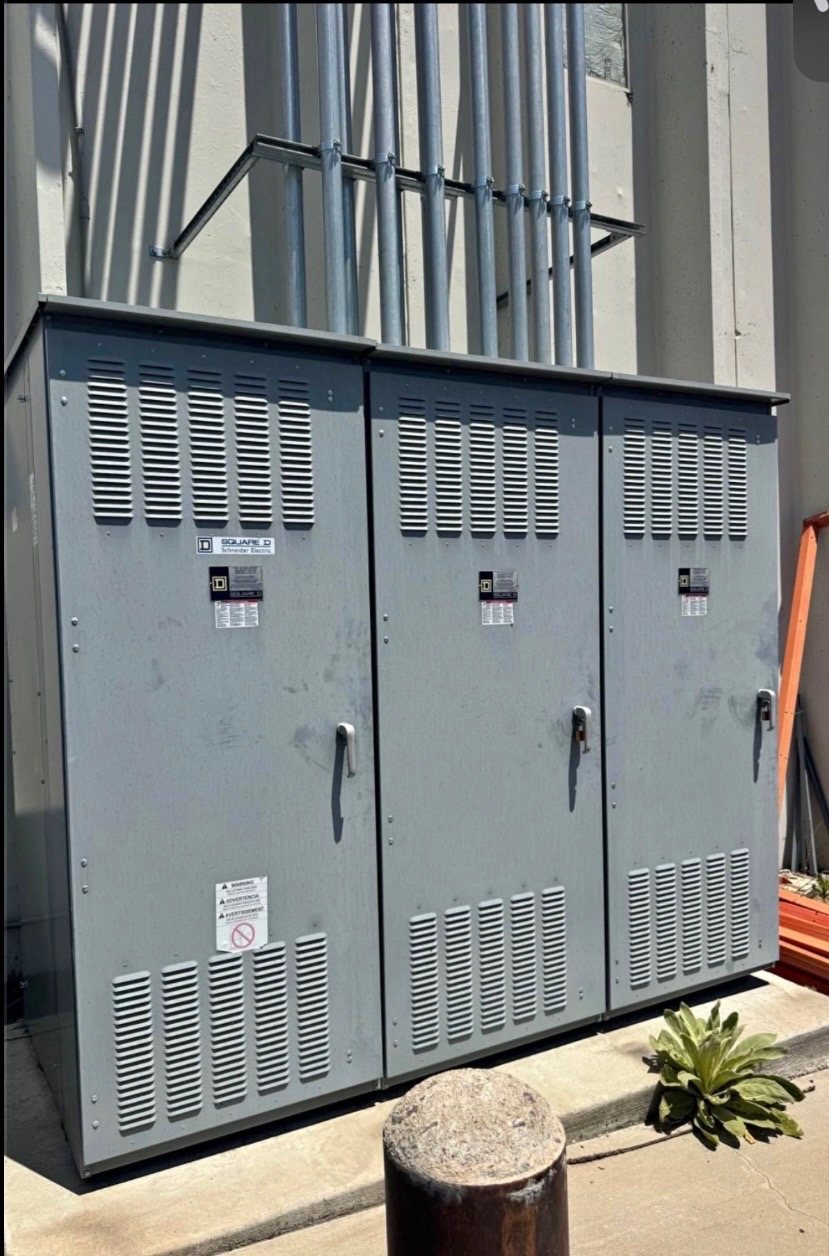
If an inventory or photograph already exists, it can help the buyer distinguish the proposed assets from equipment that is staying. The manufacturer, model, visible markings and approximate number of sections may be useful. A seller can also say that a detail is unknown; the buyer reviews the information available.
Buyer-handled removal
All voltage classes are considered, including switchgear from decommissioned data centers and shut-down power plants. On an agreed purchase, qualified buyer personnel perform the needed disconnects, removal, crane and rigging work, loading and hauling. We cover freight; the seller does not test the equipment or perform the physical work.
No seller testing is needed, and an inquiry is not a request to make equipment safe by yourself. Do not open equipment or go near an unsafe installation to obtain a label. The buyer uses qualified personnel for the necessary electrical and physical work, coordinated with the appropriate site contact.
Site access and freight
Access and timing are practical parts of a review, whether equipment sits in a warehouse or remains installed at a facility. Existing information about location and release windows is useful; exact measurements are not a prerequisite for an initial inquiry. The buyer coordinates the lifting, loading, hauling and freight.
A site contact can explain any entry approvals or work windows already established. That helps the buyer coordinate qualified personnel with the site, but it does not require the seller to supply labor or organize transport. The exact collection schedule is agreed as part of the transaction.
Inquiry, offer and payment
Send an inquiry with whatever description is readily available. After review, the buyer may make a cash offer for the proposed assets. If the purchase is agreed, payment is upfront, while the buyer handles necessary work and covers freight. A review does not commit either party to a sale.
There is no need to assemble a perfect inventory before asking. Describe the proposed assets, identify an authorized contact and mention any known deadline. The buyer reviews the available facts; following an agreed purchase, payment is upfront and qualified buyer personnel do the physical work.