THE DETAILS INDUSTRIES
Explore selling surplus electrical distribution equipment from automotive shutdown projects in Michigan, including offer and freight planning.
The project and the assets
Owners can request a purchase review for surplus automotive shutdown electrical equipment in Michigan, including assets still in place. The equipment offered, its ownership and the release schedule matter more than a project label alone. The examples below illustrate how an equipment sale might fit into a larger project.
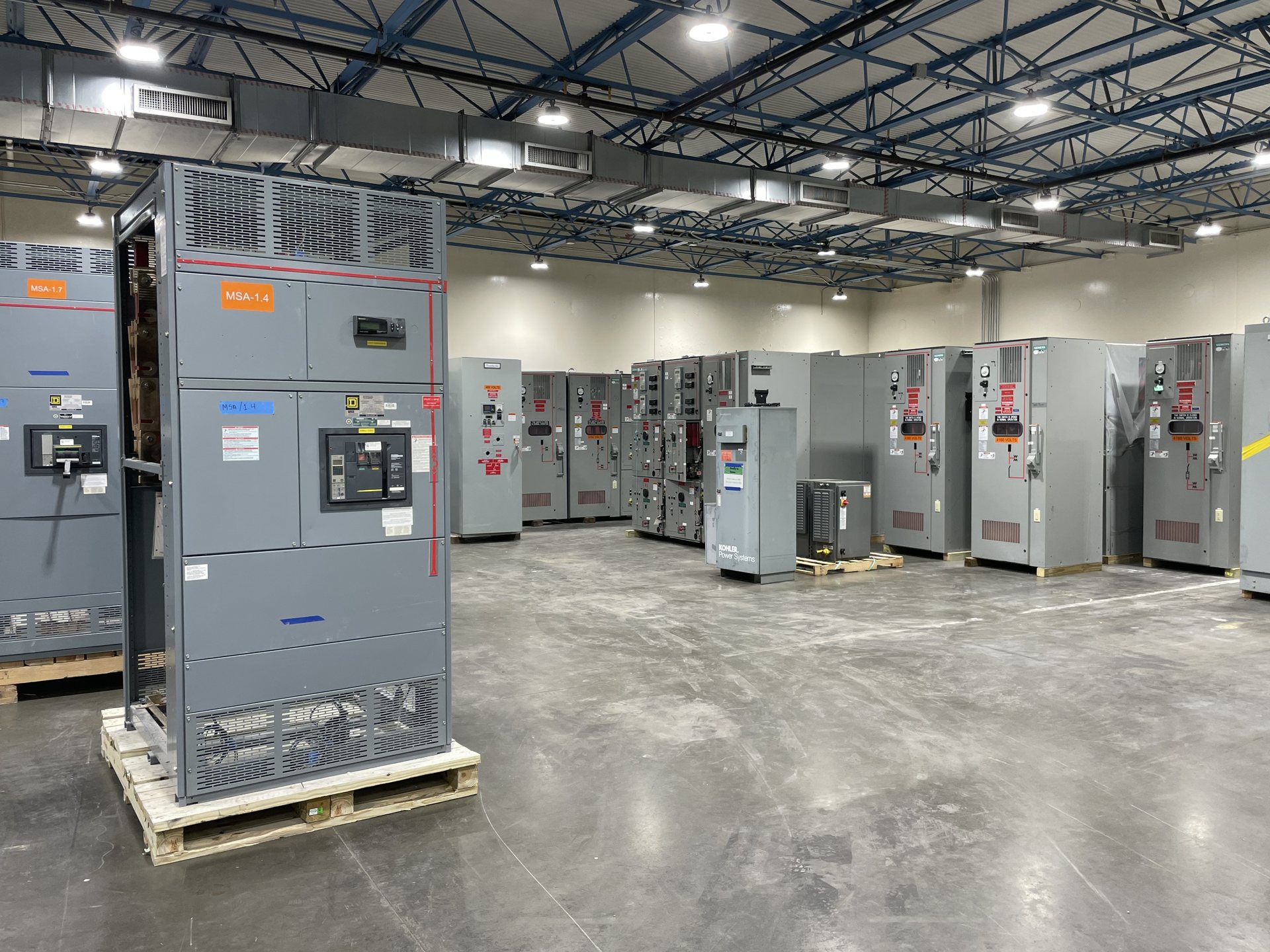
An automotive manufacturing shutdown can release electrical assets in phases as production areas are retired. In a hypothetical project, an owner might have a lineup scheduled for release before a second group of equipment. Existing asset lists and release dates can help the buyer review what is actually available without assuming the whole site is for sale.
Planning the release
For a cash-offer inquiry, the available asset description, owner authorization and likely handover timing help frame the review. The buyer may make an offer after considering the equipment and site. If accepted, payment is upfront; no seller testing or freight arrangement is required.
A release date and a site closure date are not necessarily the same. Some assets might remain in place longer than others or require an agreed access window. If the schedule is known, the buyer can take it into account while reviewing the equipment; the owner does not have to move it first.
Condition and offer review
Condition and completeness are separate questions. An assembly might include all known sections while its operating state is unknown, or it might be missing components despite a documented history. Report the distinction if it is known; no testing, energizing or troubleshooting is needed for an inquiry.
The buyer considers the equipment itself and the practical work needed to collect it. Quantity, identifying information, completeness, condition, access and timing can all affect the review. An inquiry does not guarantee an offer for every item or a particular amount, and the seller can decide whether to accept a proposed purchase.
Site and inventory considerations
Production deadlines and building handovers may create different windows for different assets. Keep equipment being retained or transferred separate from the proposed sale. The buyer handles necessary disconnects and physical removal through qualified personnel, coordinating the agreed work with the owner’s site representatives.
A helpful description can be simple: the type and count of equipment, where it is located, and any manufacturer or rating information already on hand. If there are loose parts, identify them separately where possible. There is no need to create a technical report or guess at missing information before contacting the buyer.
Buyer-handled removal
Equipment of all voltage classes, from lower to higher voltage, is within our buying scope. We also buy switchgear from shut-down power plants and decommissioned data centers. After a purchase is agreed, our qualified personnel handle necessary disconnects, removal, crane work, rigging, loading, hauling and covered freight, with no seller testing or physical labor.
If the status of an assembly is uncertain, do not assume it is safe to approach or operate. A record or safely accessible exterior photo may be shared without opening it. For an agreed purchase, qualified buyer personnel coordinate the necessary disconnects and removal with the site.
Site access and freight
Equipment can be in a lower-level room, an outdoor enclosure or storage, and each situation can have different access considerations. If known, describe the location and any site limits. The buyer plans necessary crane work, rigging, loading, hauling and freight using qualified personnel; the seller does not move the assets.
The owner or an authorized contact can explain how access approval works and identify any deadline already known. That communication does not transfer the labor to the seller. A purchase and collection schedule are agreed after review, rather than assumed from the first message.
Inquiry, offer and payment
An initial description lets the buyer review the equipment and any known access or timing considerations. A cash offer may be made after that review; the parties decide whether to agree to a purchase. For an agreed transaction, payment is upfront, and the buyer covers freight.
When you are ready, share what is available and any records you already have. If a rating or condition is uncertain, simply say so. The buyer reviews the opportunity and, if a purchase is agreed, pays upfront and handles the qualified removal work and freight.